No prices or star ratings here: they change too often to stay accurate. Amazon shows today’s price.
Model by model
Best overall
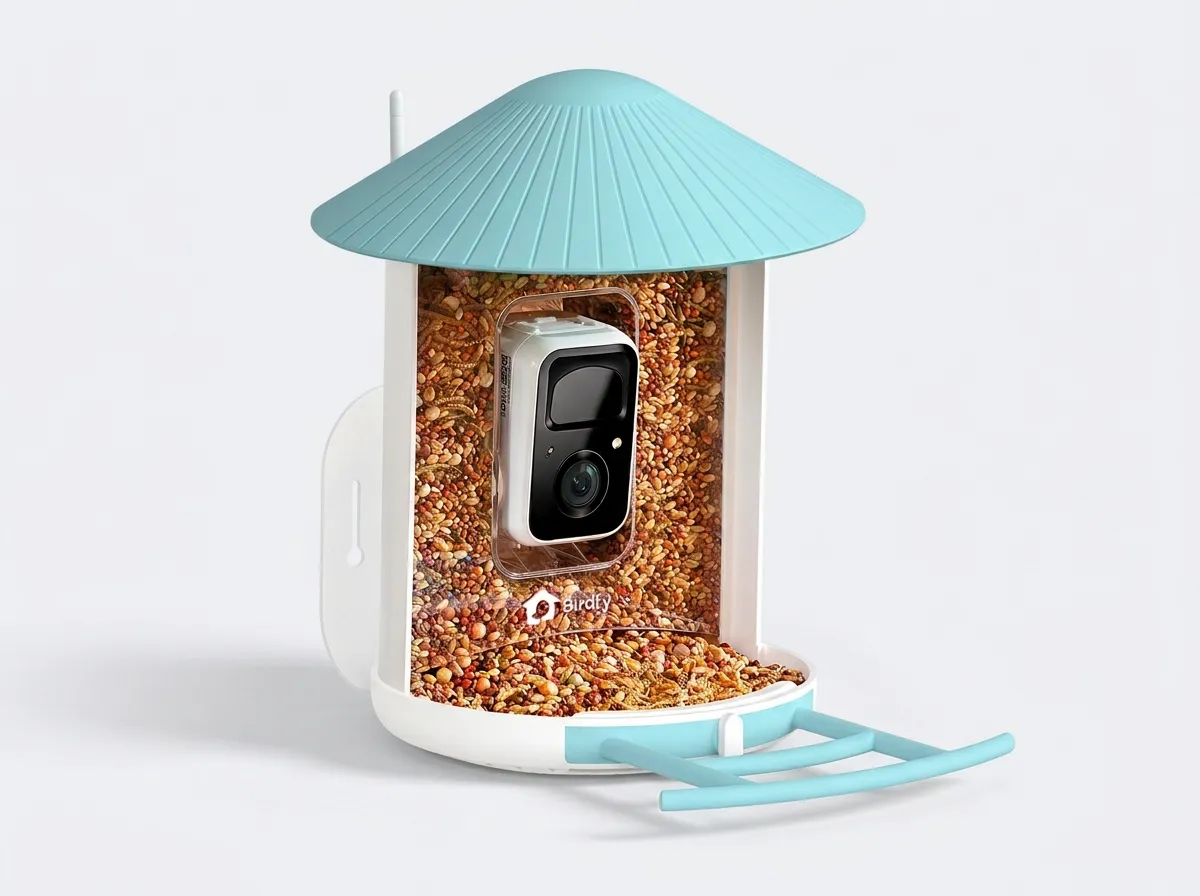
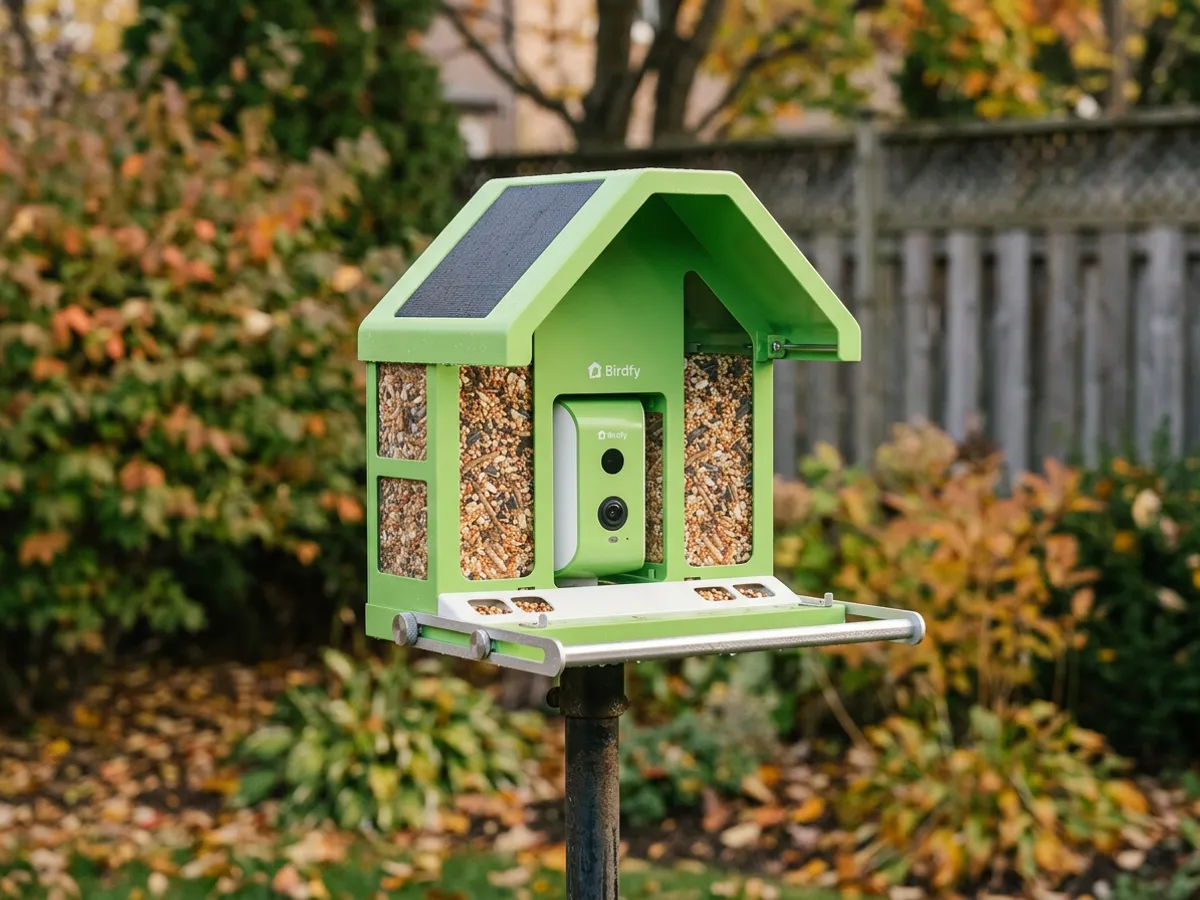
Birdfy Metal 2K
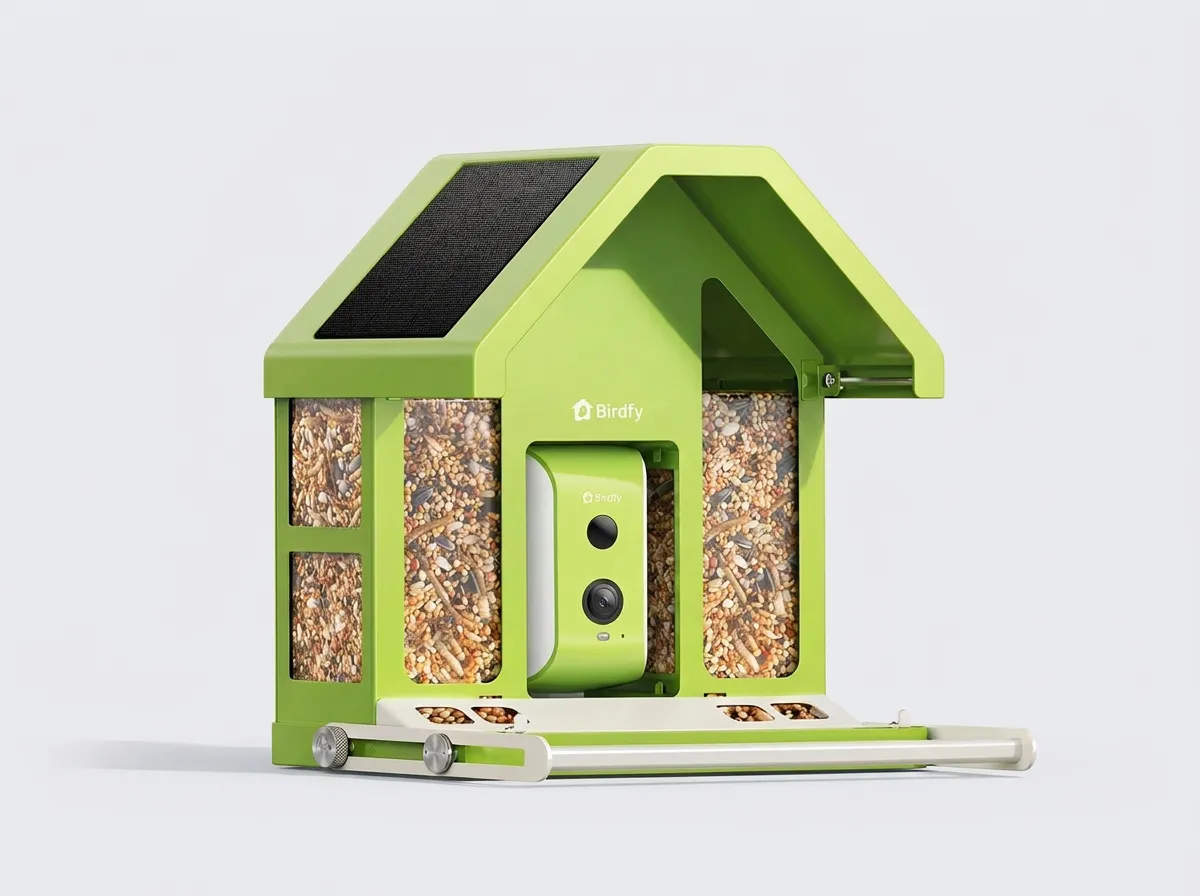
The most complete package in this aisle: unlimited bird ID with no subscription, a chew-resistant metal body, solar charging and dual-band Wi-Fi. Owners mostly praise image quality and ID accuracy; connection hiccups are the recurring caveat.
Good fit for: backyards with squirrels, buyers who refuse a monthly fee, homes where the router runs on 5 GHz.
Less suited to: anyone who wants 4K detail, or a light feeder for a thin branch (the metal build is heavy).
A light, simple feeder that gives beginners unlimited bird ID without a paid plan. Owners highlight the easy setup and clear video; the main snag is that it only works on 2.4 GHz Wi-Fi.
Good fit for: first-time buyers, gift-givers, small yards where the feeder hangs close to the house.
Less suited to: spots far from the router, or buyers who want built-in solar charging out of the box.
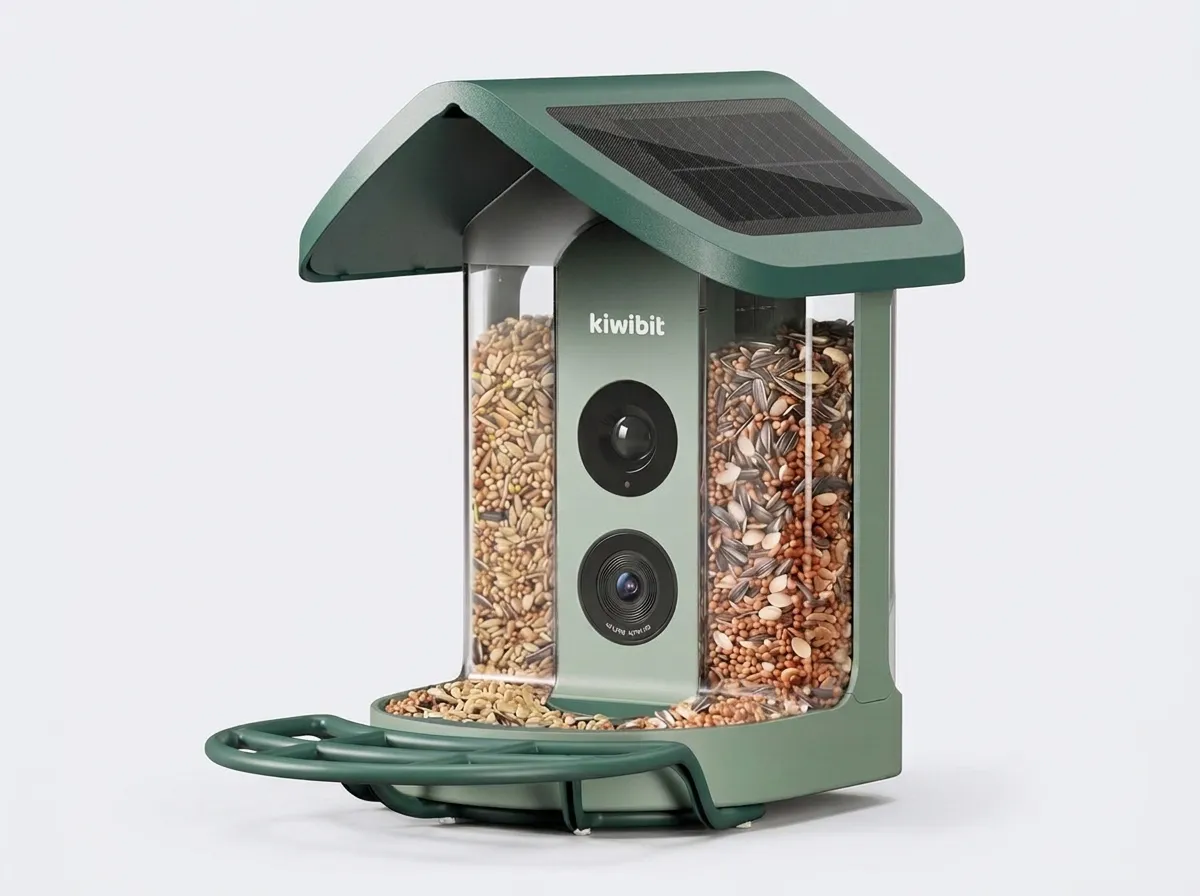
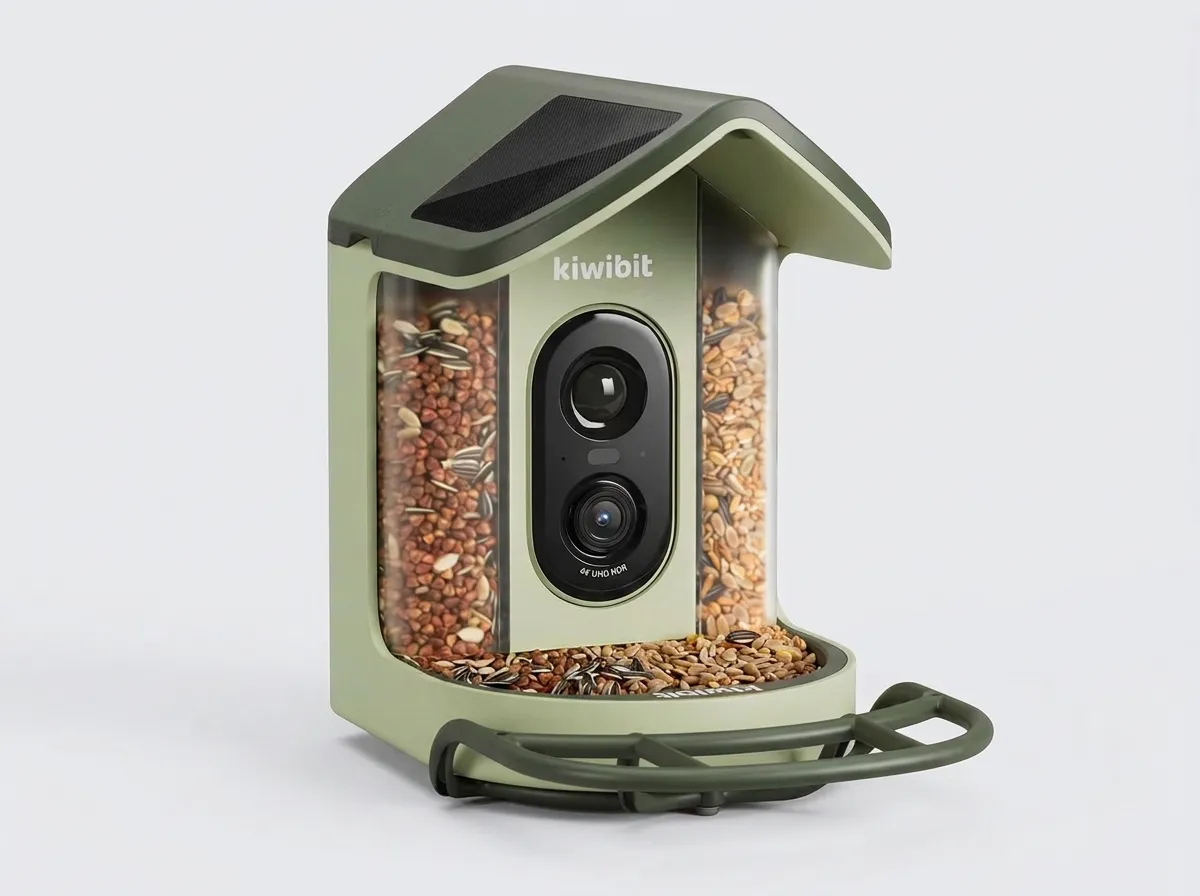
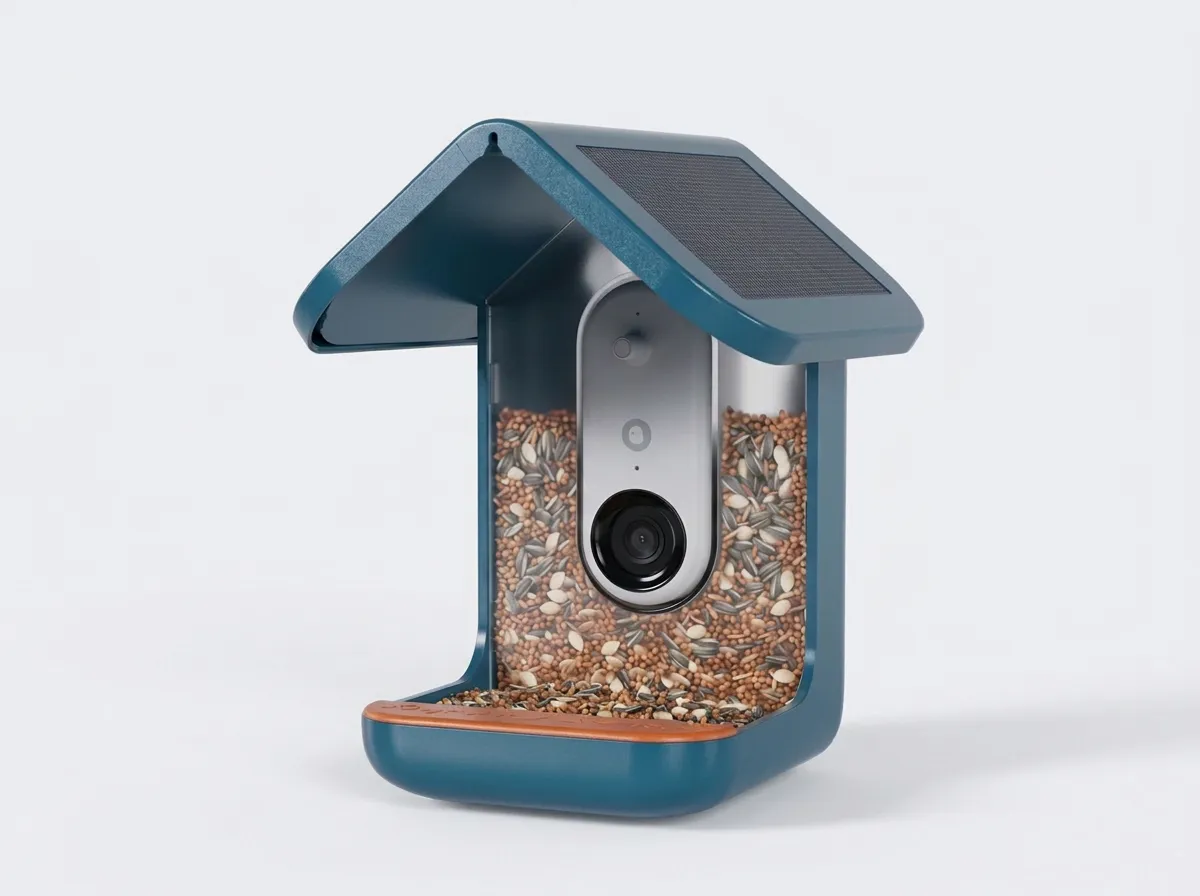
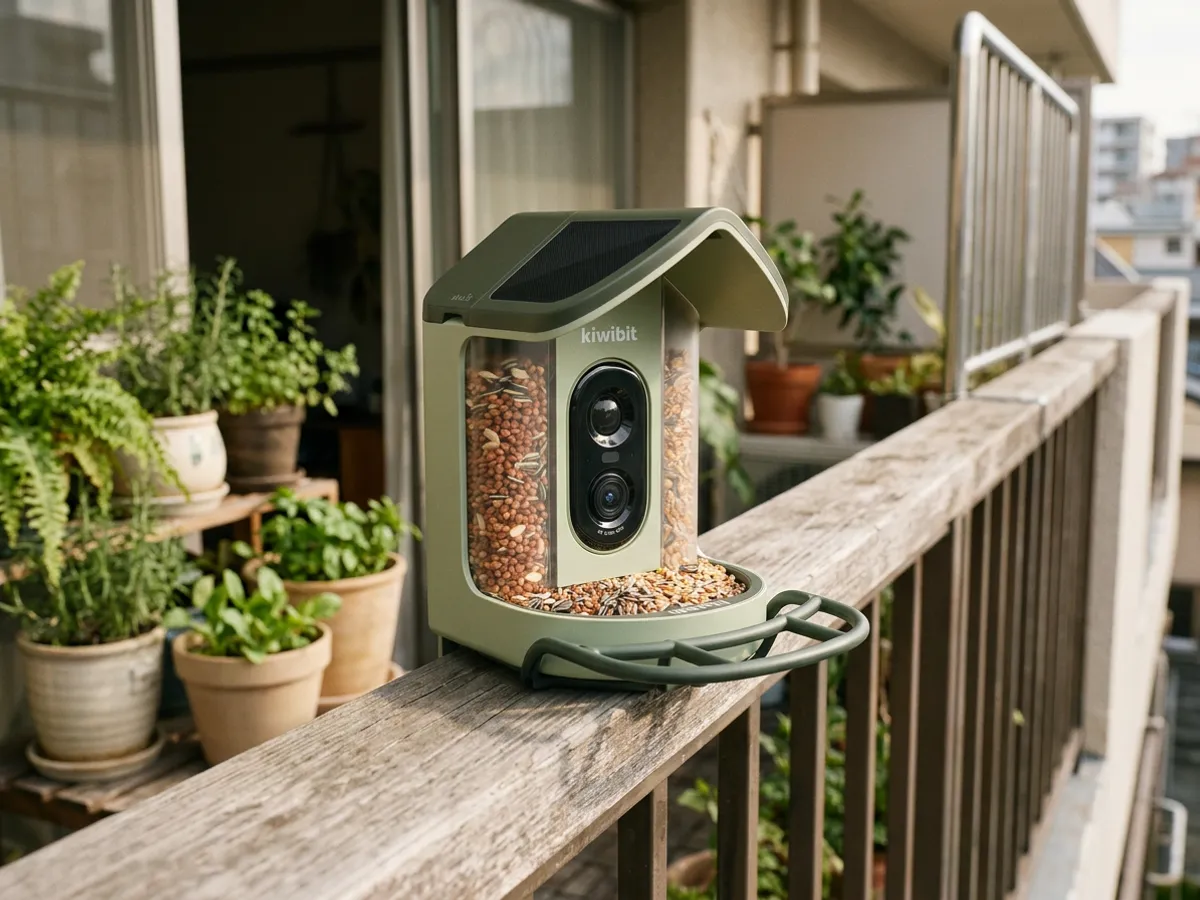
Strong 4K image, a roomy two-seed hopper and a built-in solar roof make this the best-equipped mid-range camera, as long as you accept that automatic bird ID needs Kiwibit Premium after the trial.
Good fit for: sunny yards, buyers who value image detail first and are fine with a subscription for bird ID.
Less suited to: anyone who wants free bird ID for life, or a feeder in heavy shade.
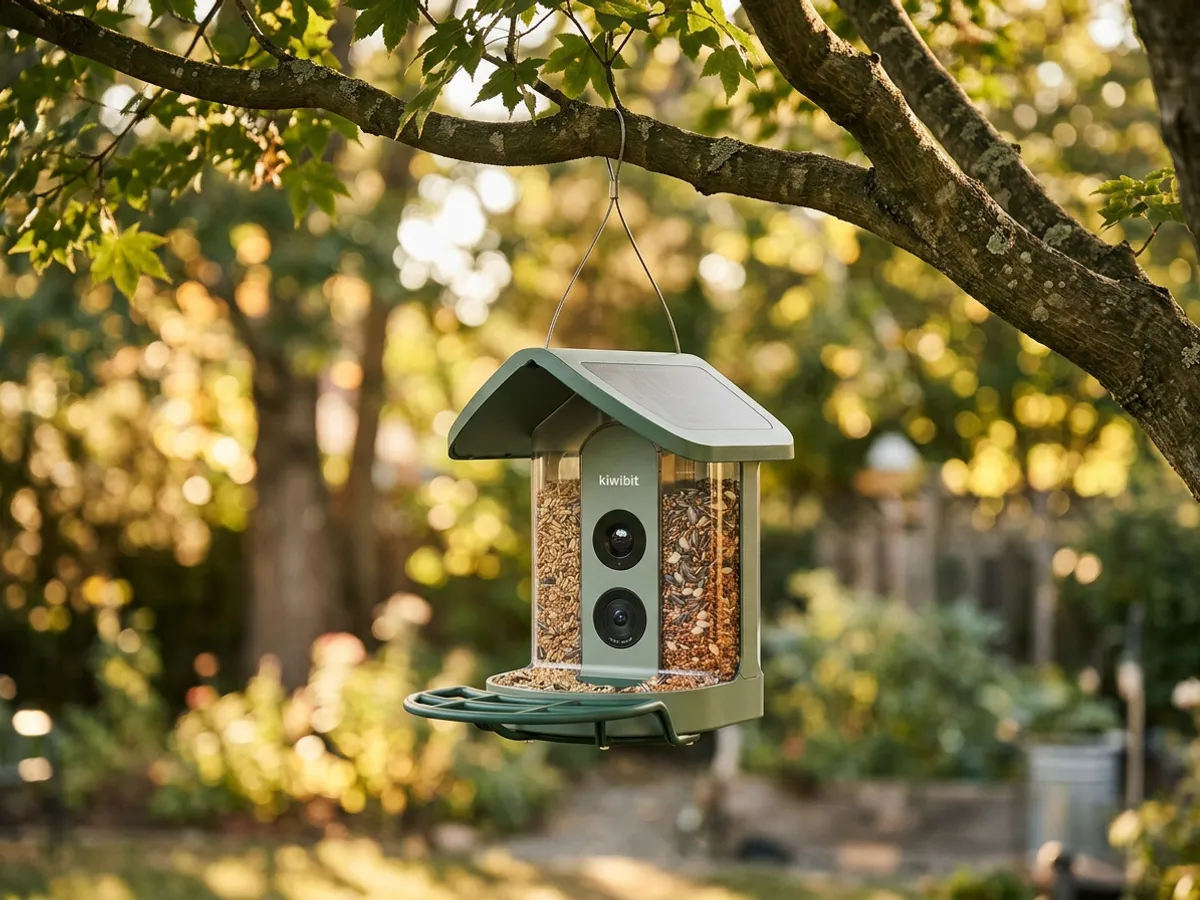
The most affordable way into 4K video in this aisle, in a smaller body with built-in solar. The trade-offs are a smaller battery and hopper, and bird ID that sits behind Kiwibit Premium after the trial.
Good fit for: small yards, decks and fences, buyers who mostly want sharp live video.
Less suited to: cloudy climates with long winters, or households that want free automatic bird ID.
On paper the best camera here: 4K with phase-detection autofocus, up to 8x slow motion, dual-band Wi-Fi and the largest hopper. Early owner feedback is positive, but bird ID still needs Kiwibit Premium after the trial.
Good fit for: photo-minded birders, hummingbird and wing-beat footage, homes on 5 GHz Wi-Fi.
Less suited to: buyers who want to avoid any subscription, or who prefer a model with a long owner track record.
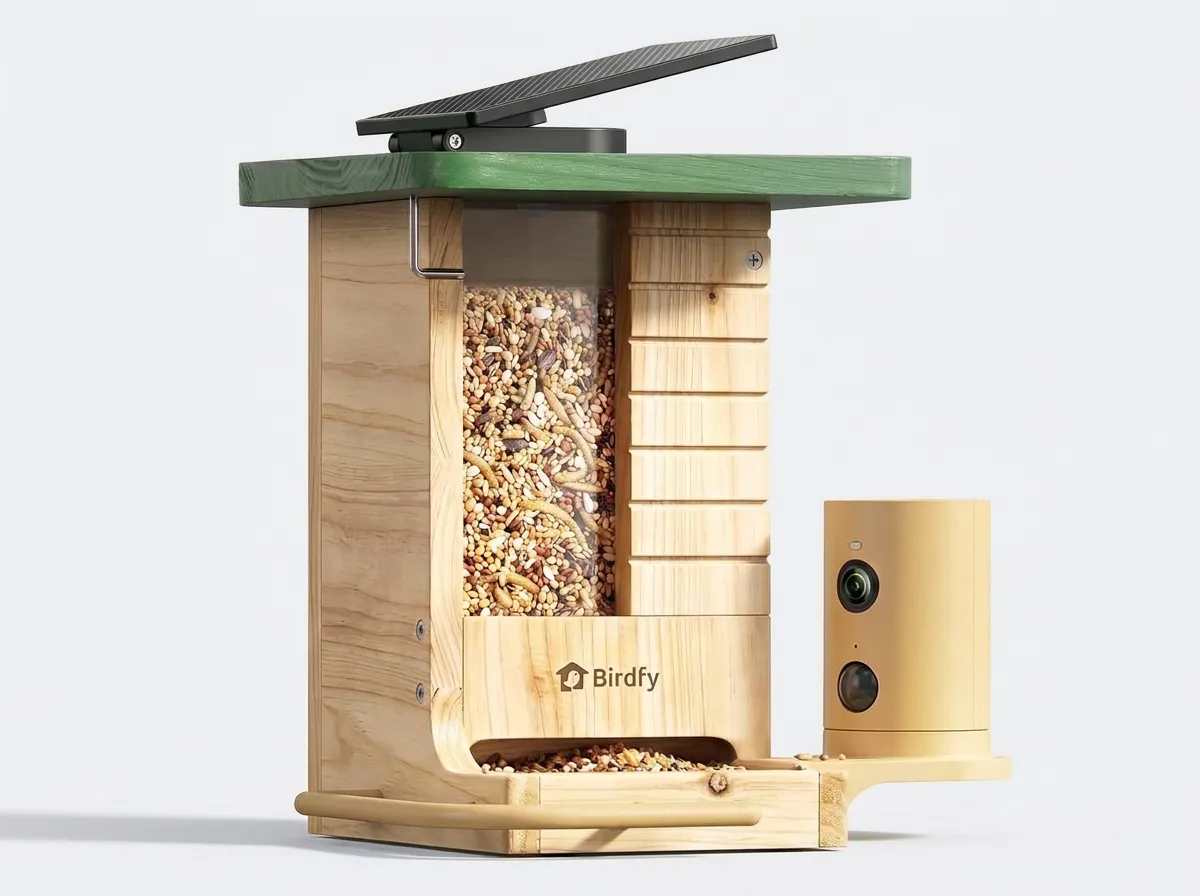
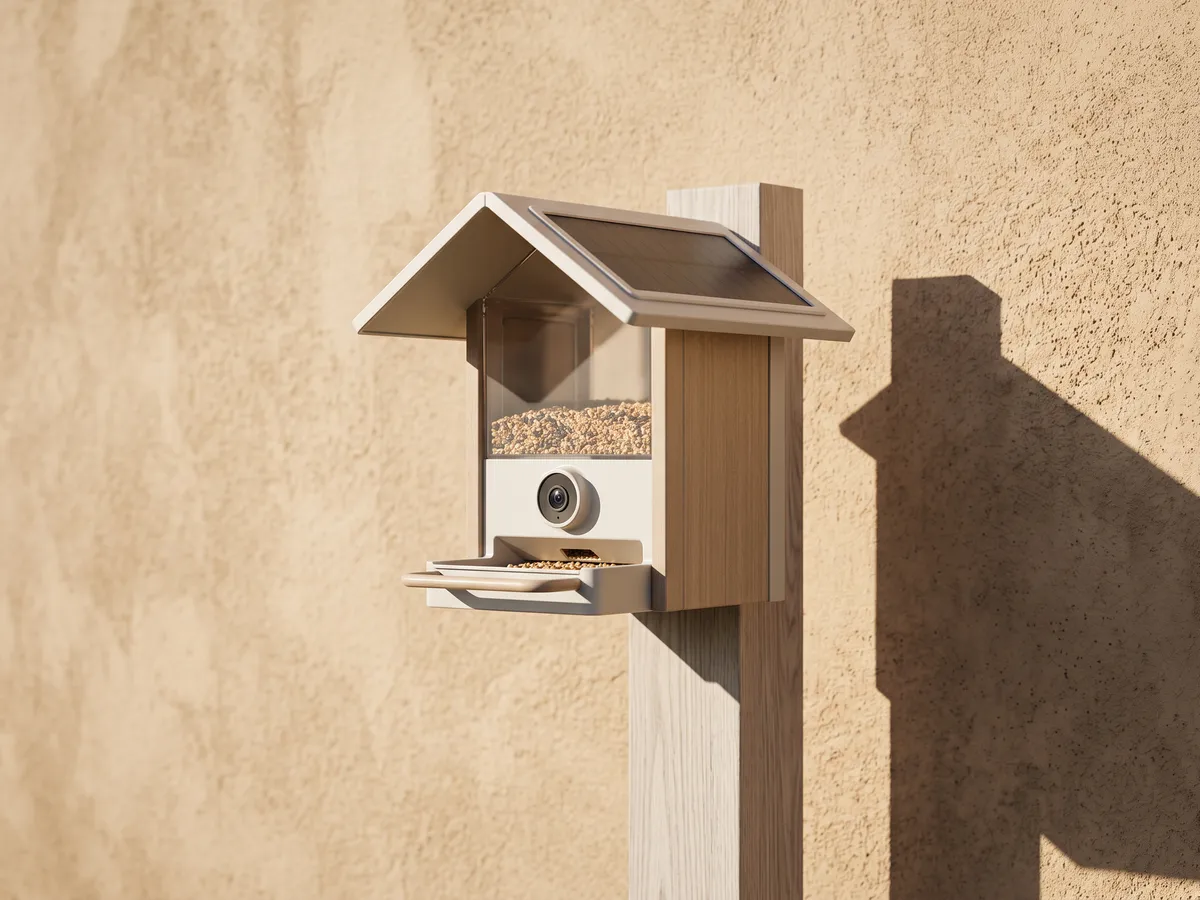
A fir-wood feeder that blends into a garden, with built-in solar, free unlimited bird ID and a 60 fps mode for slow-motion wing beats. Owner feedback is largely positive, with a few fit-and-finish complaints.
Good fit for: gardens where looks matter, families who enjoy slow-motion clips, buyers avoiding subscriptions.
Less suited to: anyone after 4K detail or 5 GHz Wi-Fi, or a feeder that needs no wood care.
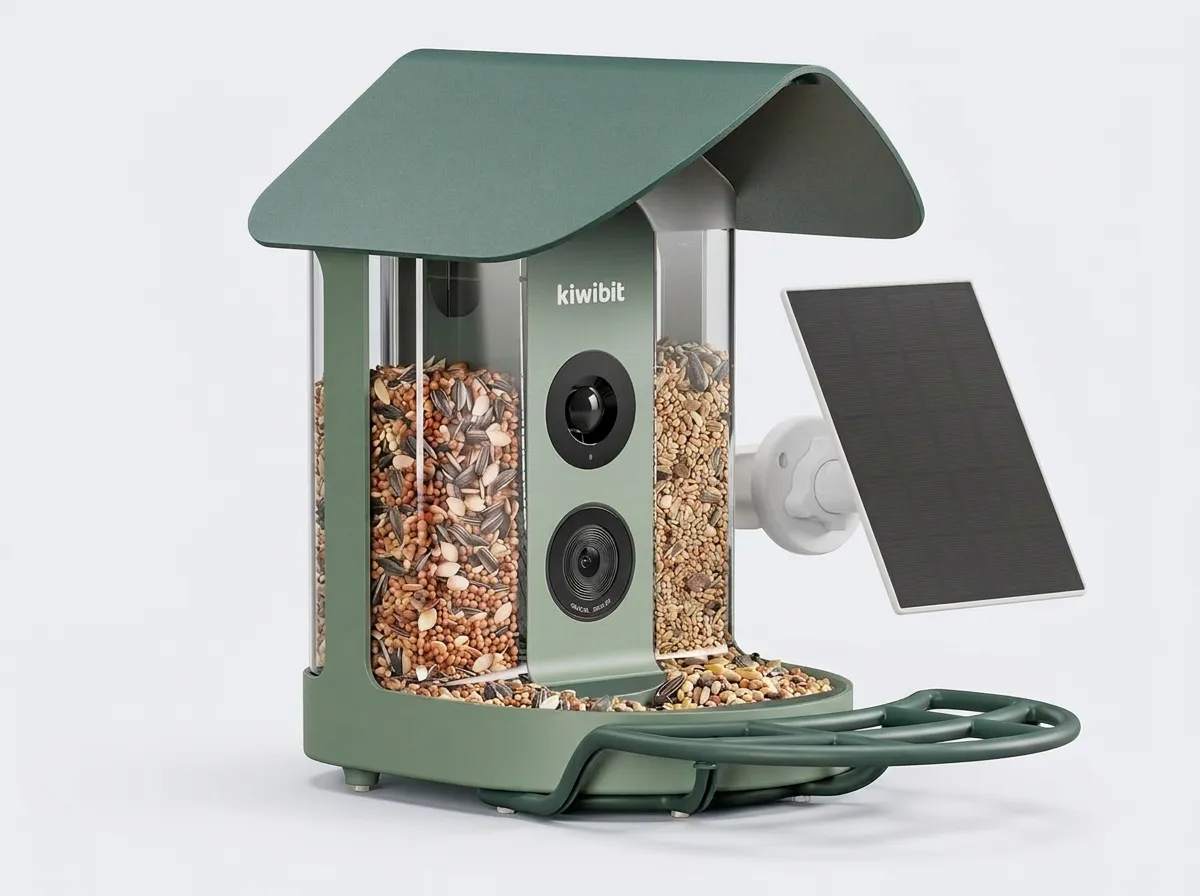
The external 3 W panel can be mounted where the sun is, which helps when the best feeder spot is shaded. Owners rate the 4K image highly, but winter charging is the recurring weak point and bird ID is paid after the trial.
Good fit for: yards where the feeder sits in shade but a sunny spot is nearby, buyers who want 4K and a big hopper.
Less suited to: long, gray winters without easy access for USB charging, or anyone wanting free bird ID.
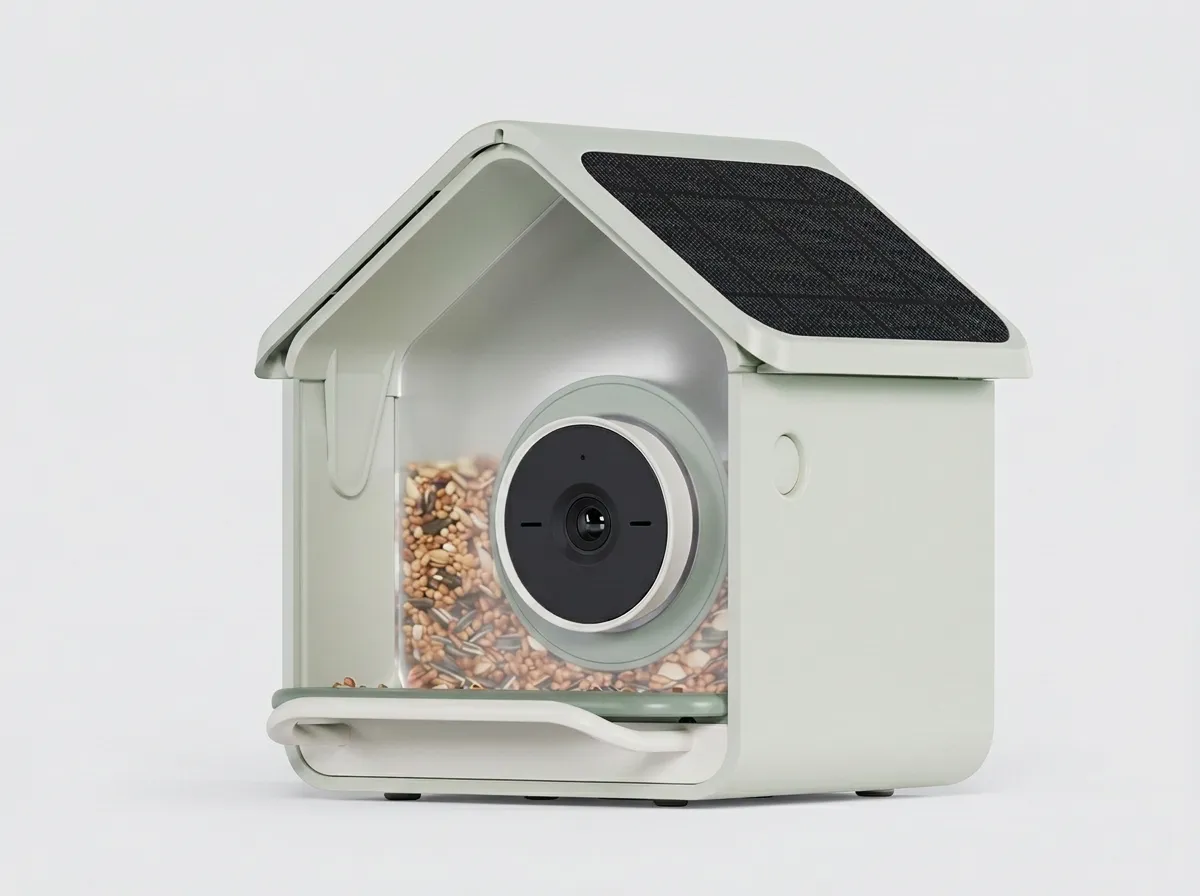
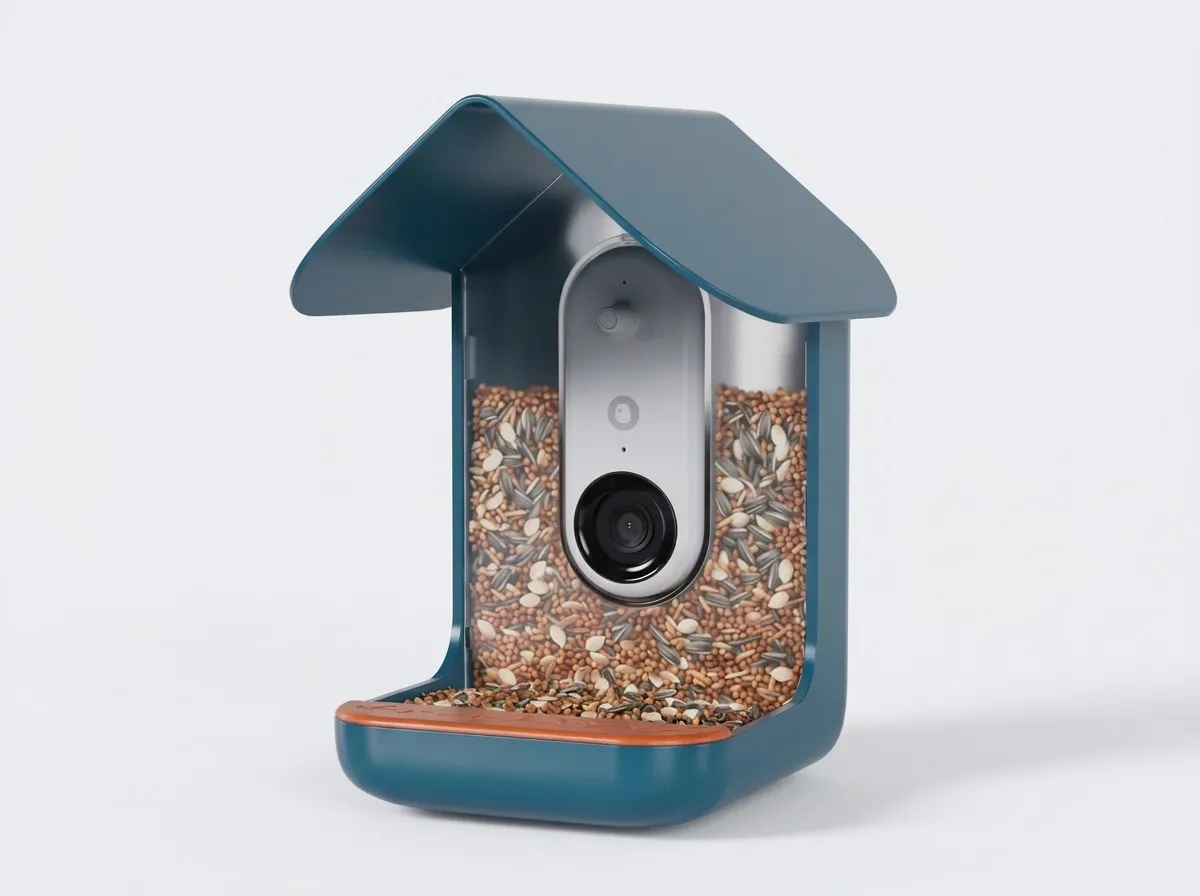
Bird Buddy's newest and most compact feeder, with a 135° view, instant wake-up and IP67 sealing, sized for patios and balconies. Owner feedback is still too thin to judge, and automatic bird ID requires Premium.
Good fit for: balconies, patios and small gardens, fans of the Bird Buddy app and its postcards.
Less suited to: buyers who want free automatic bird ID or proven long-term reliability.
An established design with free unlimited bird ID, a 1.5 L hopper and an adjustable 155° view, plus six months of Birdfy Plus. Owner reports on battery life and Wi-Fi reach are more mixed than on newer Birdfy models.
Good fit for: busy feeders with many visitors, buyers who want to try Birdfy Plus features at no extra cost.
Less suited to: feeders far from the router, or anyone who wants to charge as rarely as possible.
The Bird Buddy app, postcards and community are the draw here, with a solar roof in the box. Owner feedback is mixed on Wi-Fi, build quality and support, and the most useful AI features sit behind Premium.
Good fit for: buyers who want the Bird Buddy app and postcard experience, sunny spots within good Wi-Fi range.
Less suited to: anyone who wants free bird ID, or a feeder for squirrel-heavy yards.
The Pro Solar camera without the roof panel, which only makes sense where a feeder sits in full shade and you will recharge it by hand. The value complaints in owner feedback mostly center on the Premium subscription.
Good fit for: shaded spots where solar would not help, existing Bird Buddy users adding a second feeder.
Less suited to: buyers expecting AI bird ID without a subscription, or who never want to bring the camera in to charge.
This is the biggest difference between brands. Birdfy names species for free, with no limit. Kiwibit and Bird Buddy put automatic ID on footage behind a paid plan once the trial ends. Over several years, that fee can matter more than the purchase price.
02
Sun, part shade or full shade?
A built-in solar roof works when the feeder itself gets direct sun. A separate panel helps when the feeder sits in shade but a sunny spot is a cable's length away. In full shade, plan on bringing the camera in to charge.
03
How far is the feeder from your router?
Most models only join 2.4 GHz Wi-Fi. That band reaches farther through walls, which is usually what a feeder needs. Check the signal at the exact spot with your phone before you drill or hang anything.
04
2K or 4K: how much detail do you need?
1080p and 2K are enough to see who is visiting and share clips. 4K shows feather detail and leaves room to crop. Higher resolution also means bigger files and, on most 4K models, a paid plan for ID.
05
How often do you want to refill?
Hoppers in this aisle range from 0.8 L to 1.7 L. A busy feeder with a small hopper means refills every few days. Squirrels are the other factor: a metal body resists chewing better than plastic.
The best bird feeder camera is the one that fits your yard, your Wi-Fi and your tolerance for a monthly fee. The models below are smart bird feeders: a seed hopper, a perch and a camera that wakes when a bird lands, then sends a clip or photo to your phone. All eleven come from three brands sold on Amazon.com: Birdfy, Kiwibit and Bird Buddy. They look alike in photos, but they differ on three points that shape daily life: who pays for bird ID, how the battery stays charged, and how well the camera holds a Wi-Fi link.
This guide is a research summary. It draws on manufacturer spec sheets, the brands' subscription pages, Amazon.com listings and the patterns that come back in owner feedback. The products were not tested by the site.
Our picks for the best bird feeder camera, by situation
You refuse a subscription: the Birdfy Metal 2K gives unlimited bird ID on the free plan, with a metal body, solar charging and dual-band Wi-Fi. The Birdfy Feeder Rookie does the same at entry level, without the solar panel.
You want the sharpest picture: the Kiwibit Feeder 2 pairs 4K video with a 4.4 W solar roof. The Kiwibit Feeder 2 Pro adds autofocus, 120 fps slow motion and 5 GHz Wi-Fi.
You have a small yard or a deck rail: the Kiwibit Feeder 2 Mini keeps 4K in a smaller body with a smaller hopper.
You want the Bird Buddy app and postcards: the Bird Buddy Pro Solar ships with its solar roof. The Bird Buddy Nook is the compact option for balconies.
Every model here works without a subscription for live view and motion alerts. The paid plans decide who names the bird, how long clips stay in the cloud, and who else in the family can watch. The details below come from each brand's own plan pages, checked on the date shown above. Plans change often, so check the app before you buy. Our guide to bird feeder camera subscriptions goes further.
Brand
Bird ID on the free plan
What the paid plan adds
Trial with the Amazon models
Birdfy
Unlimited, automatic
Extra insights (sex of some species, other backyard animals), a data dashboard, 60-day cloud history, longer clips
7-day Plus trial; the NETVUE Birdfy N12 includes six months of Plus
Kiwibit
Not on feeder footage; phone-based Photo and Sound ID only
Automatic ID on every visit, Bird Story, 30 to 60 days of cloud history
30-day Premium trial
Bird Buddy
Manual: you choose which postcards to analyze
Automatic ID on every postcard, sound ID, higher-resolution "2K Ultra" files, guest live view on the Family plan
1-week Premium trial
Birdfy is the simplest case. The free plan identifies species on every recorded clip, keeps those clips for 30 days and caps them at 20 seconds. Plus and Pro are optional extras, not a toll on the main feature.
Kiwibit keeps a generous free tier: 4K live view, alerts, downloads, sharing, a one-day rolling cloud history and recording to a microSD card of up to 512 GB. What it removes is automatic species ID on what the feeder records. Kiwibit also sells "Lifetime AI Included" versions on separate listings, which are not the ones compared here.
Bird Buddy sends free "postcards" (photos and clips) automatically. On the free plan, you pick which ones the AI should analyze. Several owners of the Bird Buddy Pro say they felt the subscription only after buying, so count it in the budget from the start.
Solar roof, separate panel or battery: power in winter and shade
AI-generated illustration
Three designs share this aisle.
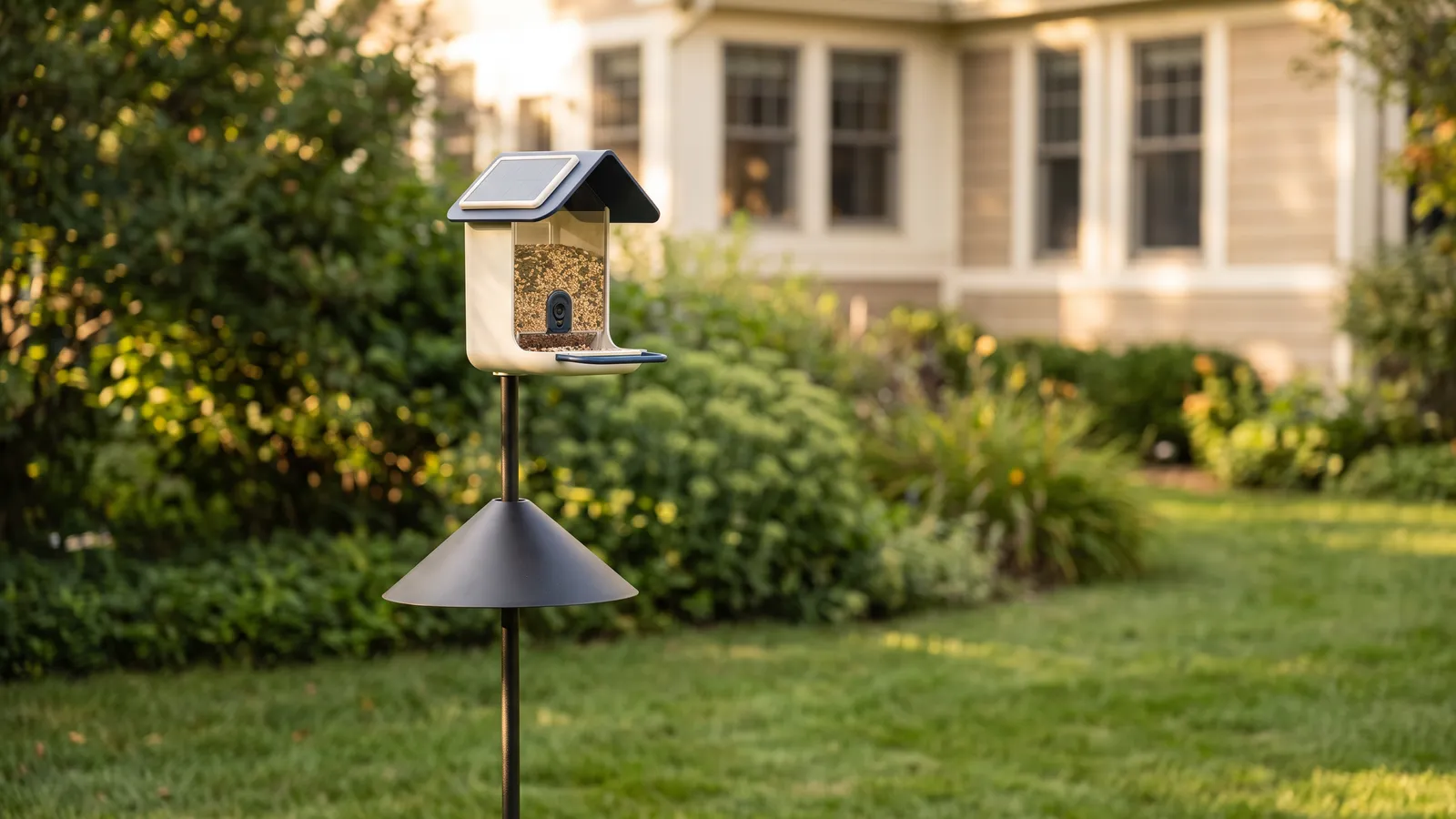
Built-in solar roof: Birdfy Metal 2K and Feeder Wood (2 W), Kiwibit Feeder 2 (4.4 W), Feeder 2 Pro (5 W), Feeder 2 Mini (1.8 W), Bird Buddy Pro Solar. No cable to route, but the panel only sees the sun the feeder sees.
Separate panel: the Kiwibit Feeder with Solar Panel uses a 3 W panel you can place and tilt apart from the feeder.
Battery only, solar optional: Birdfy Rookie, NETVUE Birdfy N12, Bird Buddy Pro and Bird Buddy Nook. You charge by USB, or add a panel later.
Panel wattage on paper is only half the story. Owner feedback on Kiwibit models comes back again and again to the same point: solar keeps up in good weather, then struggles in cold, gray winters, and some owners end up charging by hand. On the Birdfy Metal 2K, a few owners say the battery only stayed full once they repositioned the panel. Short days, low sun and snow on the roof all cut the charge. If your winters are long and cloudy, a bigger battery (the Birdfy Metal 2K lists 9,000 mAh) and easy access to the feeder matter as much as the panel.
Nine of the eleven models only connect on 2.4 GHz. Only the Birdfy Metal 2K and the Kiwibit Feeder 2 Pro also join 5 GHz. That sounds like a weakness, but for a feeder in the yard, 2.4 GHz is usually the better band: it travels farther and through more walls. The real problem is setup. Several owners of 2.4 GHz-only models report that the camera would not join a router that broadcasts both bands under one name. The fix is often a separate 2.4 GHz network or an outdoor extender.
Wi-Fi drops are the most common complaint across brands, from the Birdfy Metal 2K to the Bird Buddy Pro Solar. The NETVUE Birdfy N12 adds an external antenna, but owners still mention reach. Check the signal at the hanging spot before you commit.
AI-generated illustration
Squirrels, seed capacity and refills
No camera feeder here is squirrel-proof on its own. The Birdfy Metal 2K comes closest on paper, with a chew-resistant metal body and a removable seed guard. Plastic bodies rely on placement and a baffle on the pole. An isolated report on the Bird Buddy Pro Solar mentions squirrel damage, and Kiwibit lists squirrel-proof add-ons sold separately.
AI-generated illustration
Capacity varies by more than double:
Model
Seed capacity (manufacturer)
Kiwibit Feeder 2 Pro
1.7 L, two compartments
Kiwibit Feeder 2 and Feeder with Solar Panel
1.5 L, two compartments
NETVUE Birdfy N12
1.5 L
Birdfy Feeder Rookie and Feeder Wood
1.3 L
Bird Buddy Pro, Pro Solar and Nook
0.9 L
Kiwibit Feeder 2 Mini
0.8 L, two compartments
The Birdfy Metal 2K listing gives its capacity by weight (about 5.3 lb), and Birdfy's own pages list different hopper sizes depending on the version, so treat that figure with care. Amazon's capacity field for the Kiwibit Feeder 2 also says 1 L, while Kiwibit lists 1.5 L. Two compartments let you offer two seed mixes, and Mini owners say the compact hopper limits seed being kicked out.
What about hummingbirds?
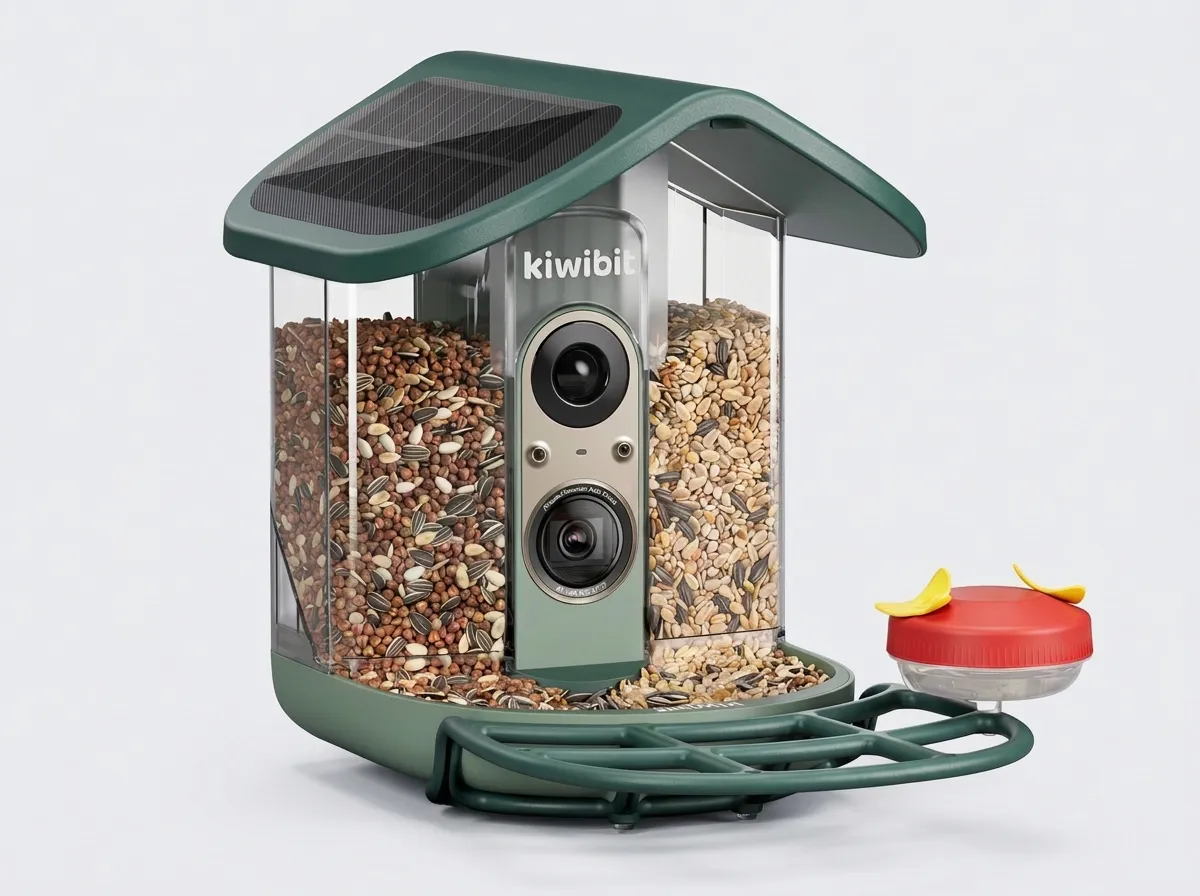
Hummingbirds drink nectar, so a seed feeder will not attract them on its own. The Birdfy Feeder Wood listing names hummingbirds among target species, and the Kiwibit Feeder 2 listing mentions a compatible hummingbird add-on, sold separately. For wing beats, frame rate matters more than resolution. The Kiwibit Feeder 2 Pro records 1080p at up to 120 fps for slow motion, and the Birdfy Rookie and Feeder Wood offer a 60 fps mode. Birdfy also sells dedicated nectar feeders with cameras, which are outside this comparison.
Frequently asked questions
For most owners, yes, if expectations are right. The recurring praise is about seeing birds up close, learning species and sharing clips with family. The recurring complaints are about Wi-Fi, winter charging and subscriptions. A model with free bird ID, like the Birdfy Metal 2K or Rookie, removes the cost surprise. A feeder within good Wi-Fi range and in some sun removes most of the rest.