Best metal detectors UK: the right one for where you search
The best metal detector in the UK depends on where you search. Minelab, Garrett and Nokta models compared by frequency, coil, target ID and waterproofing.
No prices or star ratings here: they change too often to stay accurate. Amazon shows today’s price.
Model by model
Best for most beginners
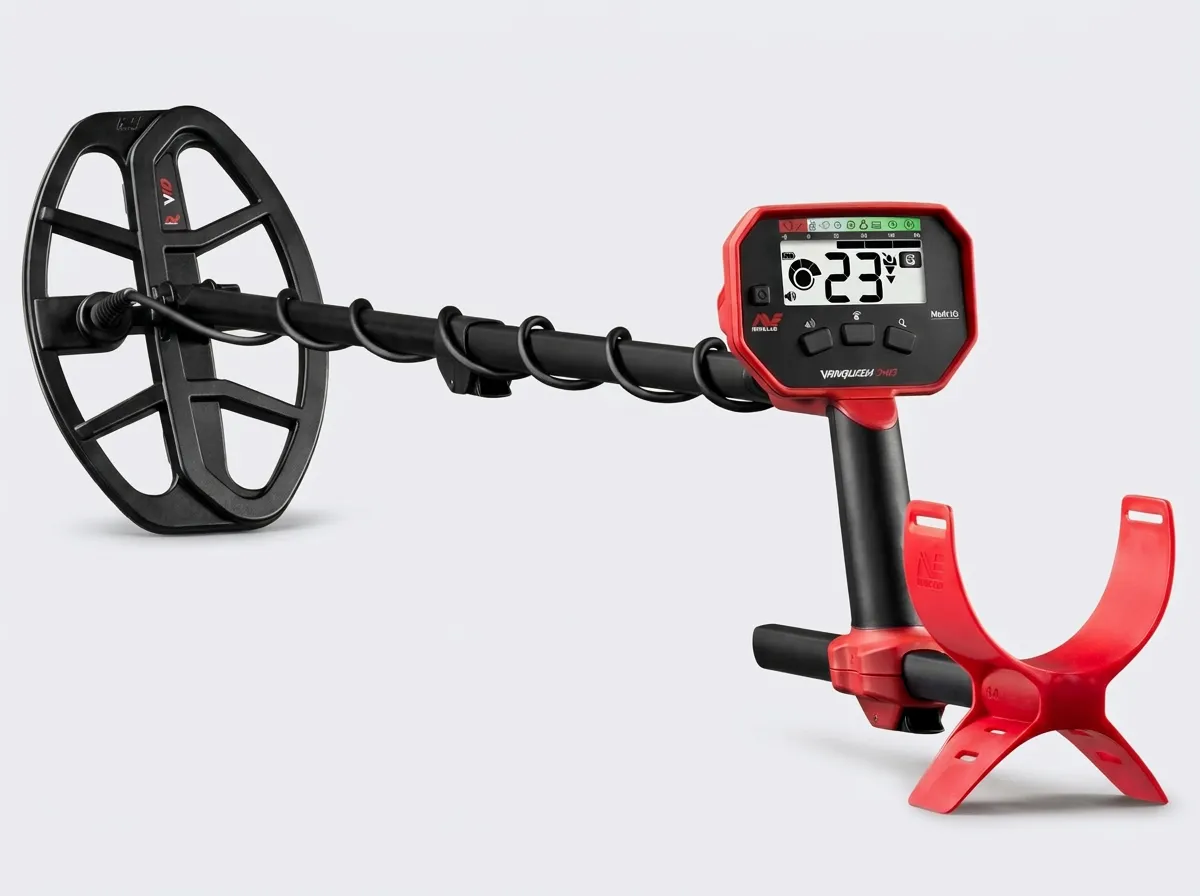
Minelab Vanquish 340
Minelab's Multi-IQ simultaneous multi-frequency in its simplest form: no frequency or ground balance to set, a 1.2 kg collapsible build and a 10 × 7 in Double-D coil. Owners praise its ease of use and light weight, while opinions on depth and sensitivity are mixed.
Good fit for: beginners who want to switch on and swing across parks, fields and beaches without learning settings.
Less suited to: anyone who wants a detailed target ID, a pinpoint mode or to wade into the water.
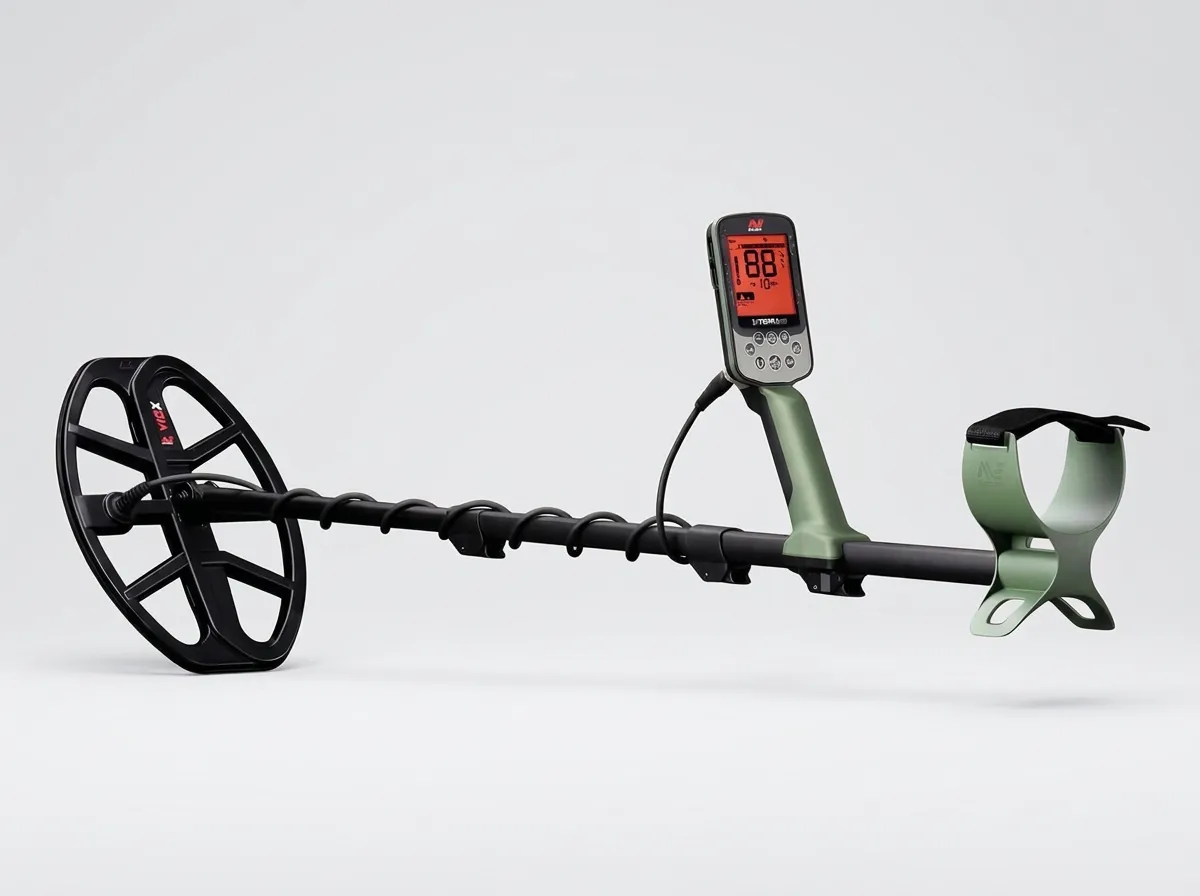
A fully submersible Multi-IQ detector with Beach and Park modes, a −19 to 99 target ID and a built-in rechargeable battery. Early owner feedback is positive on effectiveness and ease of use, but the listing is still new and lightly reviewed.
Good fit for: beginners who split their time between parks and beaches and want to hunt wet sand, streams or shallow surf.
Less suited to: buyers who prefer a long track record or swappable batteries for long trips.
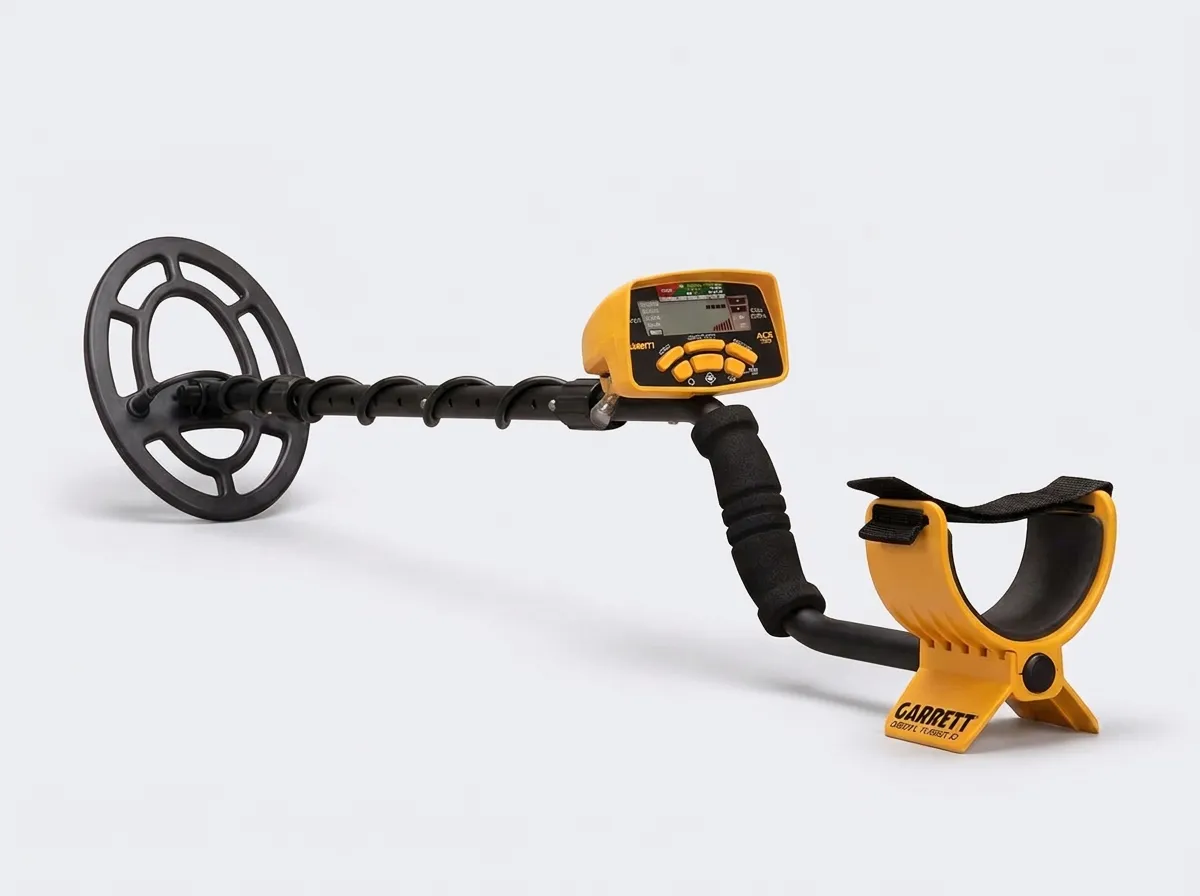
A proven single-frequency detector with a 0–99 target ID, Iron Resolution and electronic pinpointing in a light, easy-to-learn package. Owners mostly praise how quickly they get going; wet salt sand is not its strong suit.
Good fit for: beginners who want clear numeric target IDs and room to learn discrimination in parks, gardens and pasture.
Less suited to: regular wet-sand beach hunting or wading, since only the coil is waterproof.
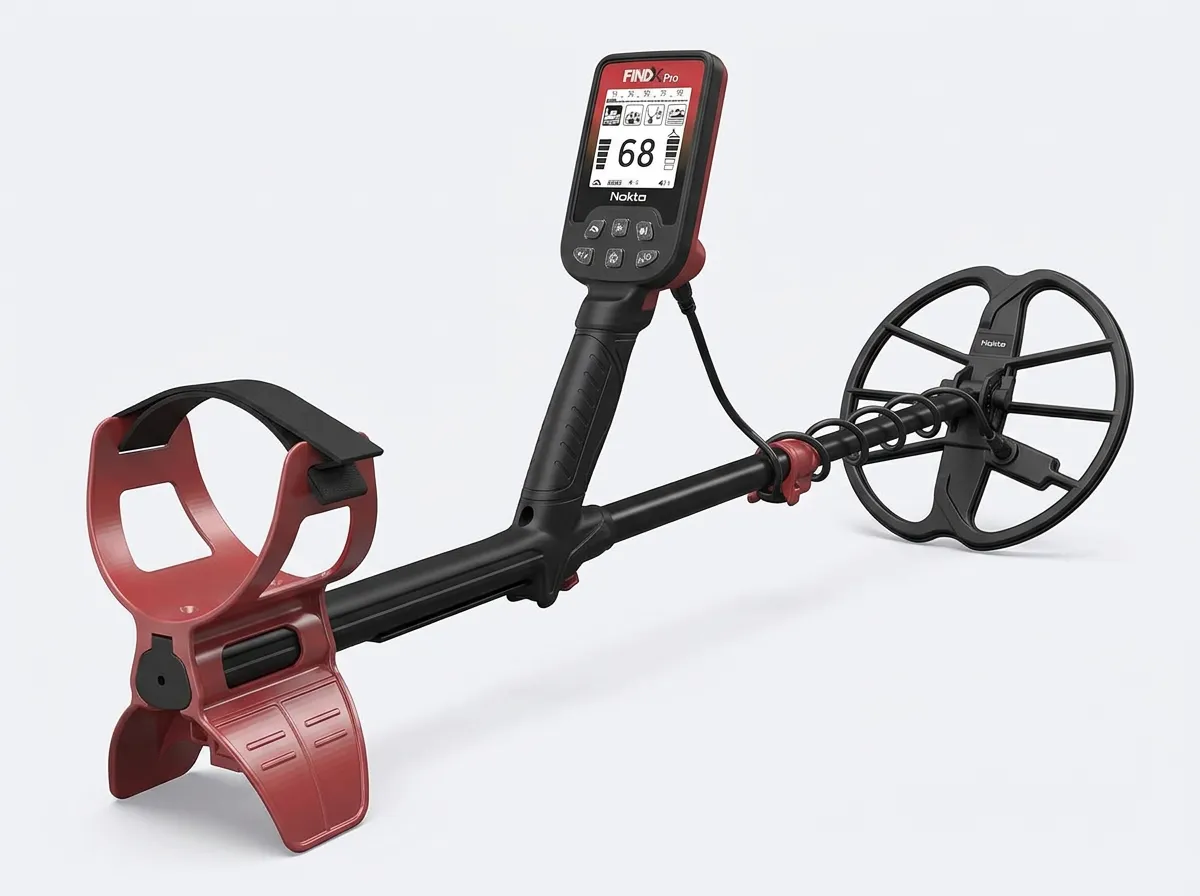
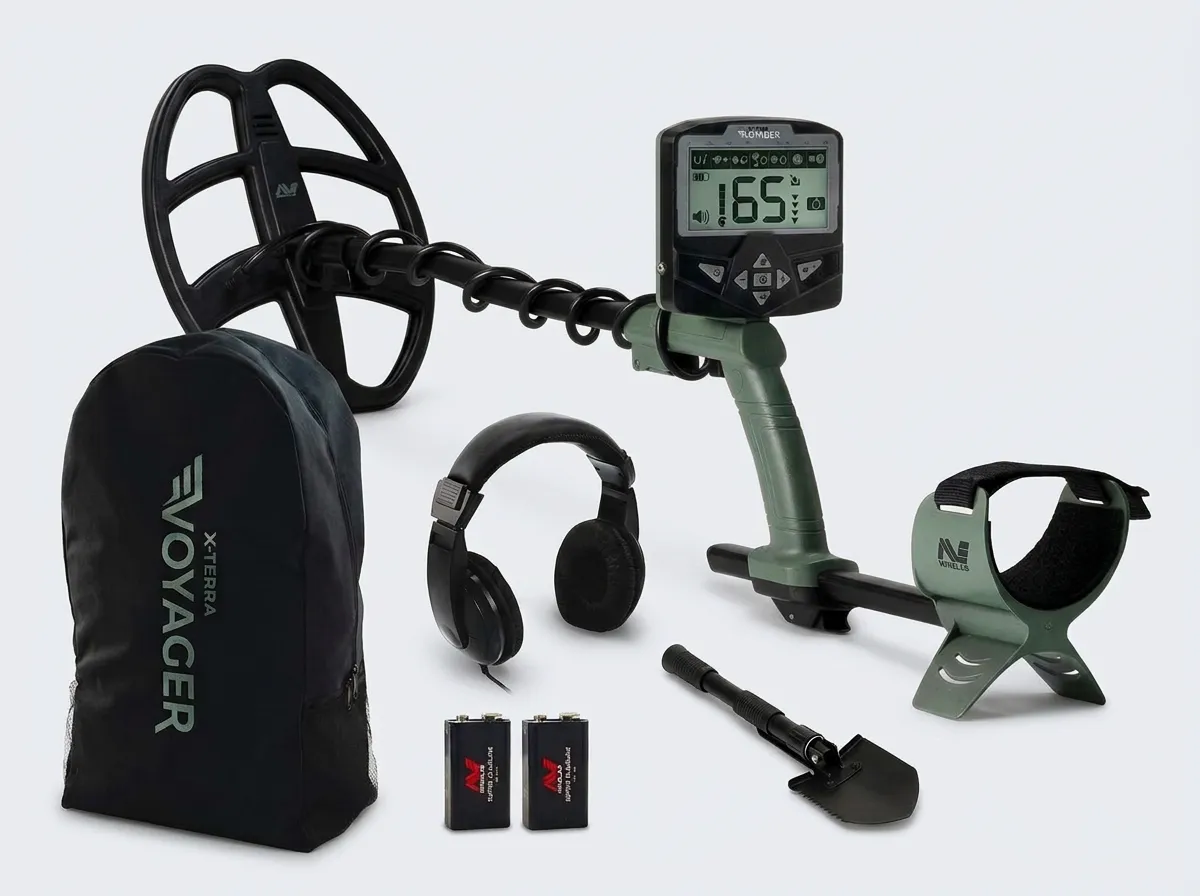
A fully submersible single-frequency detector with four automatic modes, an 11 in Double-D coil and a built-in rechargeable battery, sold as a complete kit with headphones, a digger and a bag. It keeps the controls simple: Nokta lists no manual ground balance setting for it.
Good fit for: beginners who want to hunt beaches, streams and wet fields from day one without paying for a top-tier waterproof machine.
Less suited to: detectorists who want manual ground balance, multi-frequency or a 3-year warranty.
Minelab's starter kit pairs a 5.82 kHz single-frequency detector and an 11 × 8.5 in Double-D coil with headphones, a digger and a backpack. Owners call it simple to learn with good build quality; a couple dislike the included shovel.
Good fit for: adult beginners who want everything in one box for parks, fields and dry beach sand.
Less suited to: buyers who want a long warranty, rechargeable power or serious wet-sand performance.
A fully waterproof detector that lets the user pick one of four single frequencies and set ground balance automatically, manually or with tracking. Owners rate its value, accuracy and build highly, though ease of use draws more mixed comments than a turn-on-and-go model.
Good fit for: beginners who expect to learn quickly and want one machine for parks, mineralised fields, beaches and shallow water.
Less suited to: anyone who wants true simultaneous multi-frequency or the simplest possible controls.
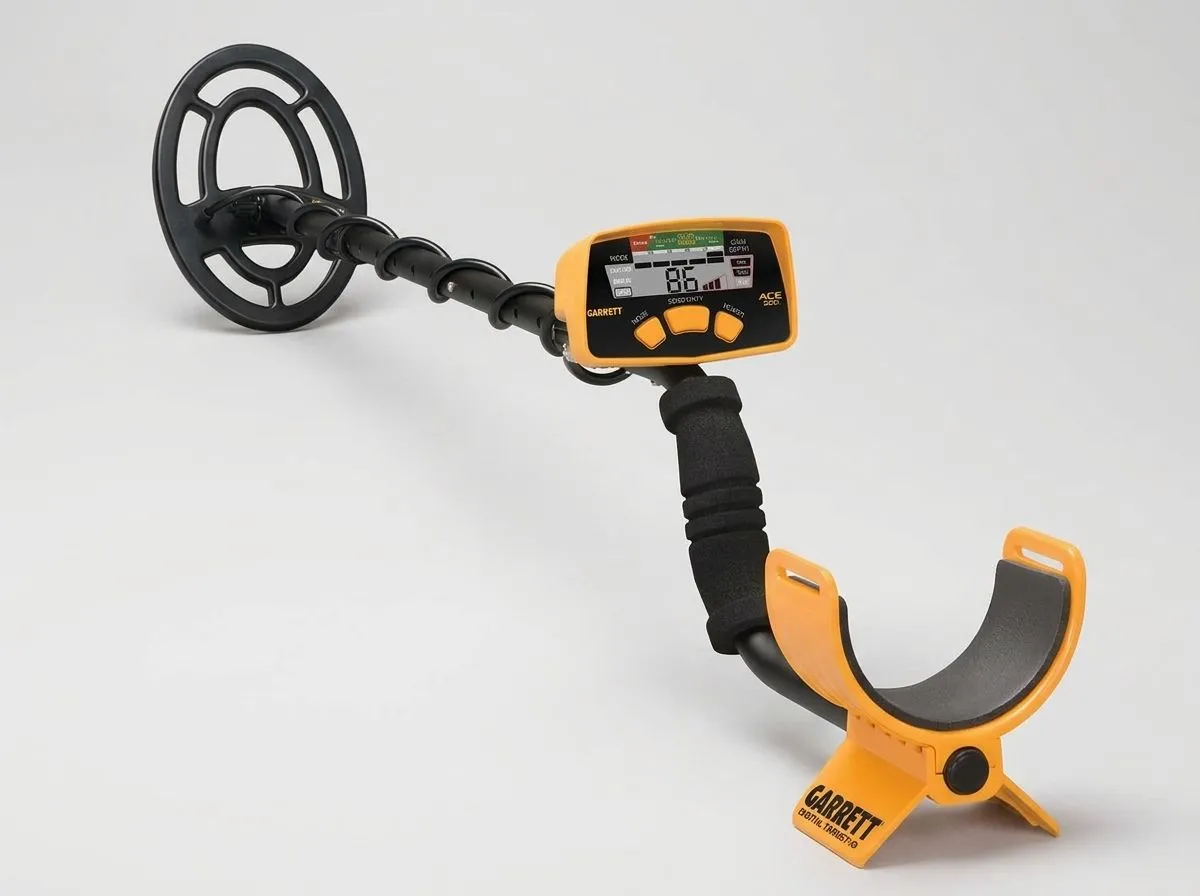
The international version of Garrett's simplest ACE: three preset modes, a 0–99 target ID and a small 6.5 × 9 in concentric coil, powered by AA batteries. Unlike the US ACE 200, Garrett's international catalogue lists no pinpoint mode for the 200i.
Good fit for: families and first-timers who want a light, three-button detector for parks, gardens and dry beach sand.
Less suited to: anyone who wants pinpointing, a larger coil for ploughed fields, or to hunt wet sand and water.
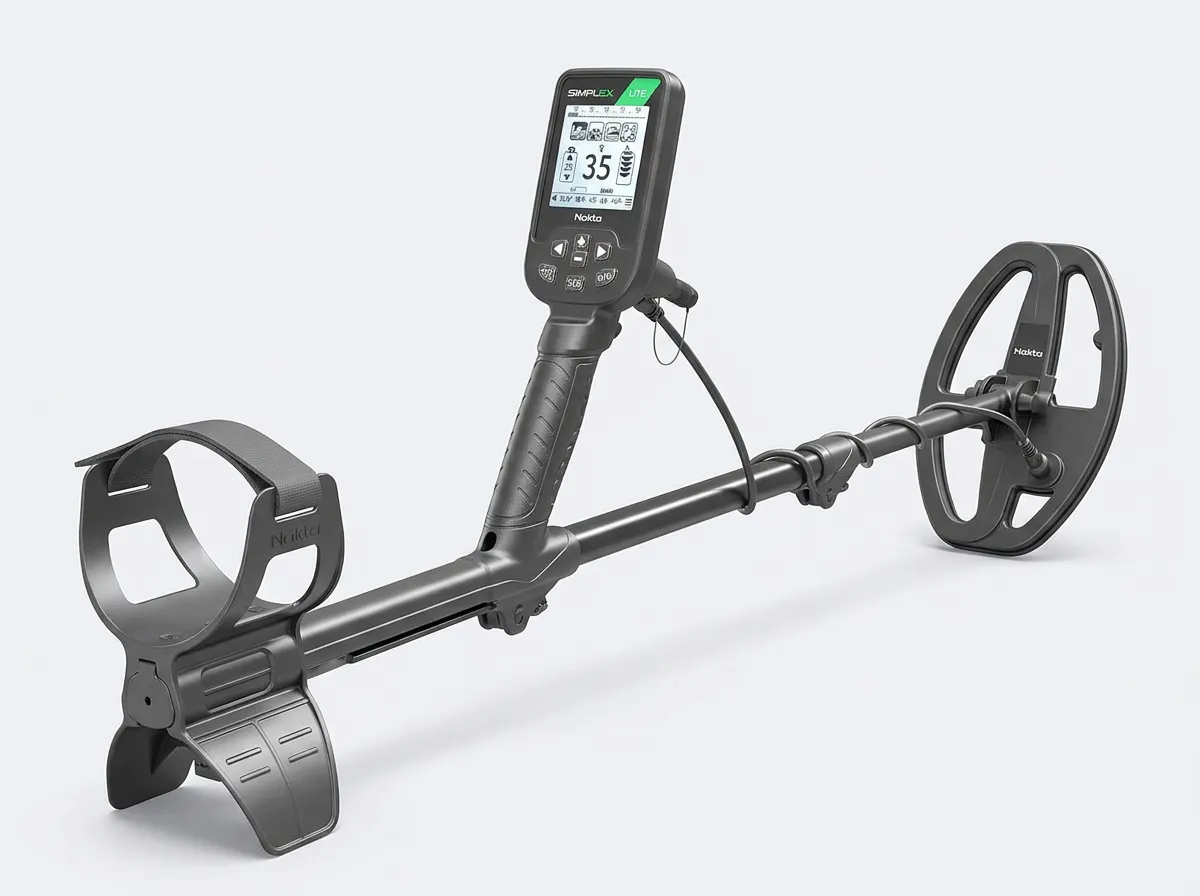
A fully submersible 15 kHz detector with automatic or manual ground balance, 30 sensitivity levels, vibration, a torch and a backlit keypad. It packs the Simplex range's adjustability into a lighter, simpler package, but comes without headphones or Bluetooth.
Good fit for: beginners who want to learn ground balance and settings on one waterproof machine for beaches, streams and mineralised fields.
Less suited to: buyers who want wireless audio, a larger coil or headphones in the box.
The most adjustable ACE sold in the UK: five modes, Iron Audio, adjustable notch, frequency adjust and a larger 8.5 × 11 in Double-D coil, with headphones in the international pack. It stays a 10 kHz single-frequency machine on AA batteries, with only the coil waterproof.
Good fit for: detectorists working ploughed fields and old permissions full of iron, who want audio help to sort it.
Less suited to: beach and water hunting, or buyers who want rechargeable power.
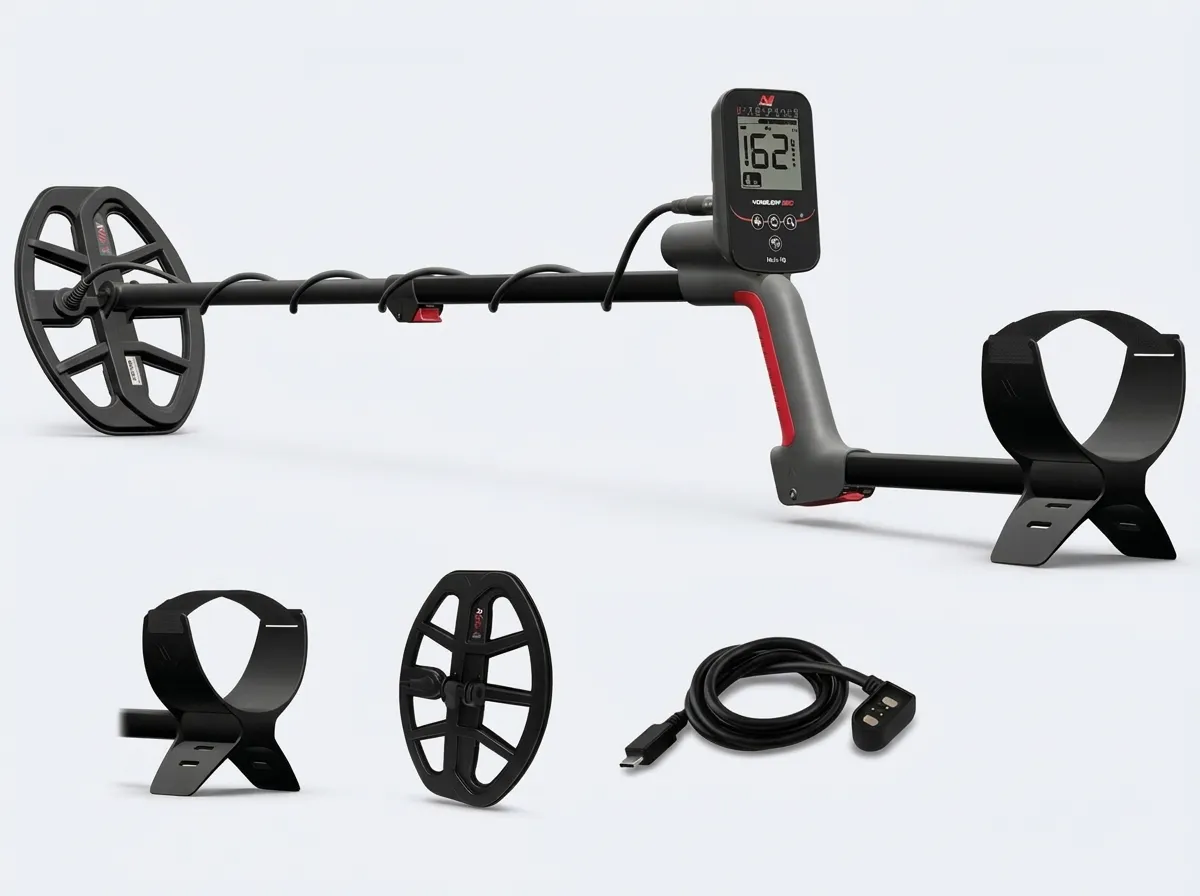
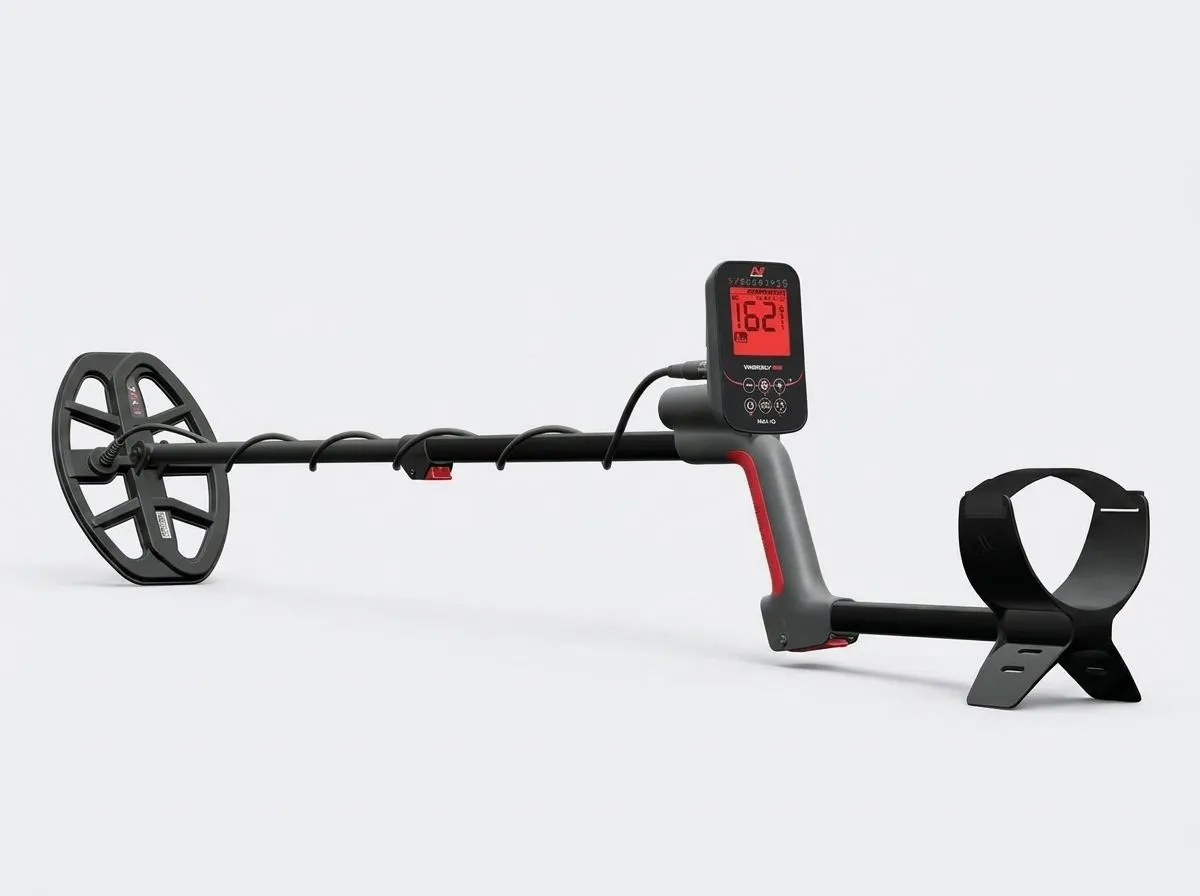
The Vanquish 360's fully submersible Multi-IQ platform with a Field mode, a customisable user profile, Bluetooth LE Audio and wired headphones in the box. It remains a turn-on-and-go detector, with no ground balance setting listed by Minelab.
Good fit for: detectorists who want simultaneous multi-frequency for parks, fields and beaches, plus wireless headphones support.
Less suited to: anyone who wants manual ground balance or swappable batteries.
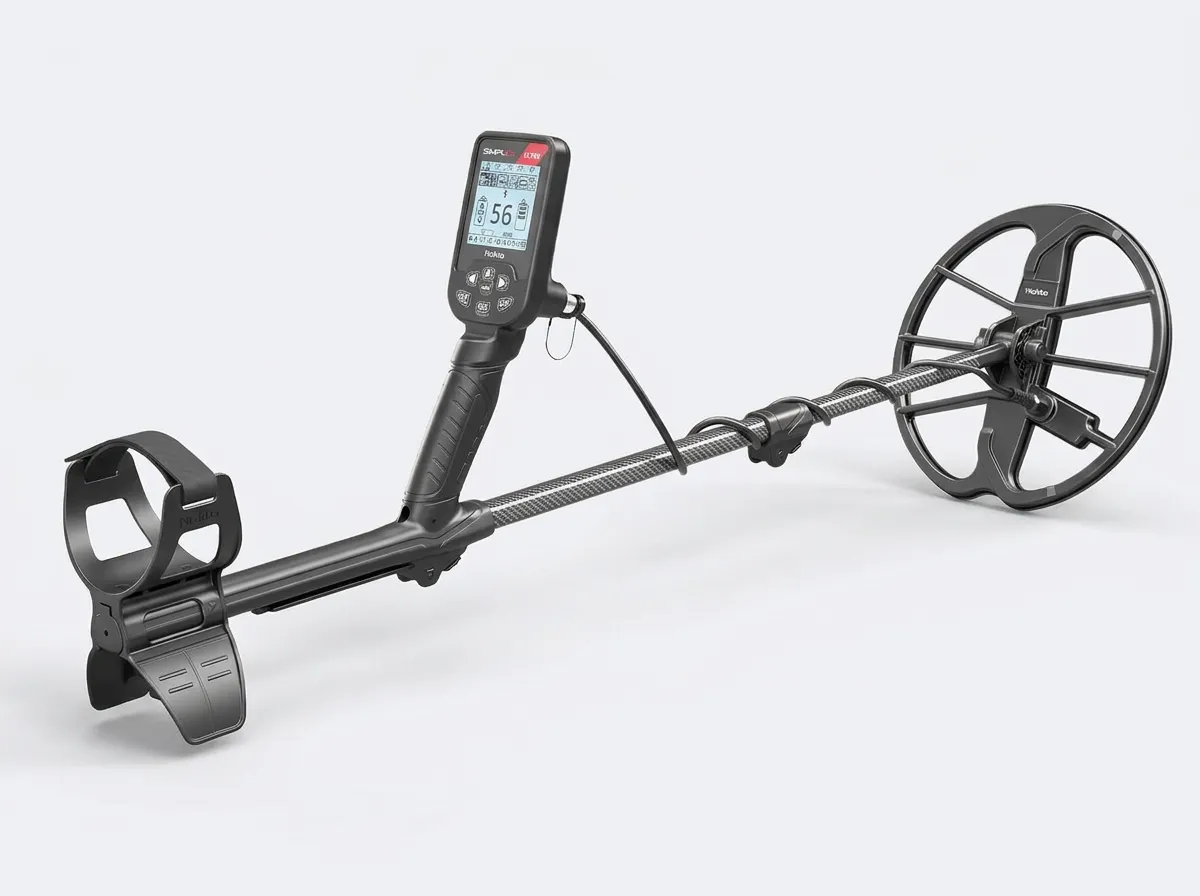
The top of Nokta's Simplex line: six modes including 4 Tone and 99 Tone, recovery speed and tone settings, Bluetooth audio, a full carbon-fibre shaft and an 11 in Double-D coil, all fully submersible to 5 m.
Good fit for: detectorists ready to fine-tune tones and recovery speed on one waterproof machine for fields, parks and beaches.
Less suited to: buyers who want multi-frequency or headphones in the box.
Parks, gardens and dry sand forgive almost any detector. Wet salt sand and mineralised soil do not. For the beach, look at multi-frequency or submersible models; for farmland, at iron handling and ground balance.
02
One frequency or several at once?
Most detectors here run one fixed frequency. The Minelab X-Terra Pro lets you pick one of four. The three Vanquish models run several at once, which Minelab says works on every soil without settings. That matters most on wet salt sand.
03
Will it go in the water?
A "waterproof coil" lets you sweep wet grass and puddles, not wade. Six models here are fully submersible to 5 m: the Vanquish 360 and 460, the X-Terra Pro and the three Nokta models. The other five must keep their control box dry.
04
How much do you want to adjust?
Some machines have almost nothing to set: switch on, pick a mode, swing. Others offer manual ground balance, frequency choice and tone settings: more control, and a longer learning curve.
05
Who will swing it, and for how long?
On paper, every model here weighs between 1.16 kg (Vanquish 460) and 1.32 kg (ACE 400i). Small differences add up over an afternoon on a field. Check the power too: AA or 9V batteries can be swapped on site, a built-in rechargeable battery cannot.
The best metal detector in the UK is the one that suits the ground you will actually search. A council park, a ploughed field full of old nails and wet sand at low tide ask for different things, and no beginner machine handles all three equally well. This aisle compares eleven detectors from Minelab, Garrett and Nokta sold on Amazon.co.uk, from a three-mode Garrett to fully submersible machines for the beach. All sit in the entry-level to step-up tiers: the best metal detector for beginners in the UK is one you can learn in a weekend.
Every pick was chosen from manufacturer spec sheets, Amazon.co.uk listings and owner feedback, not from field trials (how we research). Where a listing contradicts the manufacturer, which happens often on frequency and waterproof ratings, we follow the manufacturer. We may earn a commission on purchases (affiliate disclosure).
Parks, fields or the beach: the best metal detector for beginners in the UK
AI-generated illustration
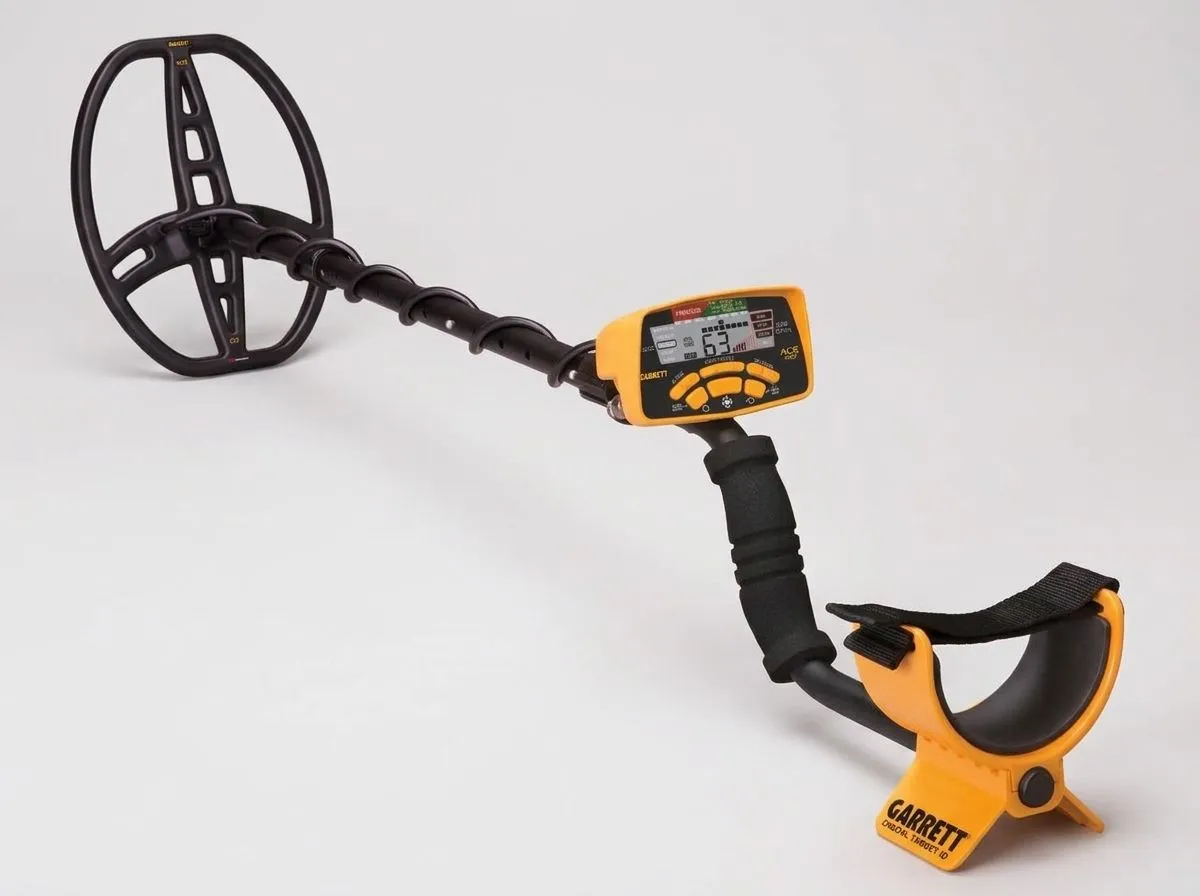
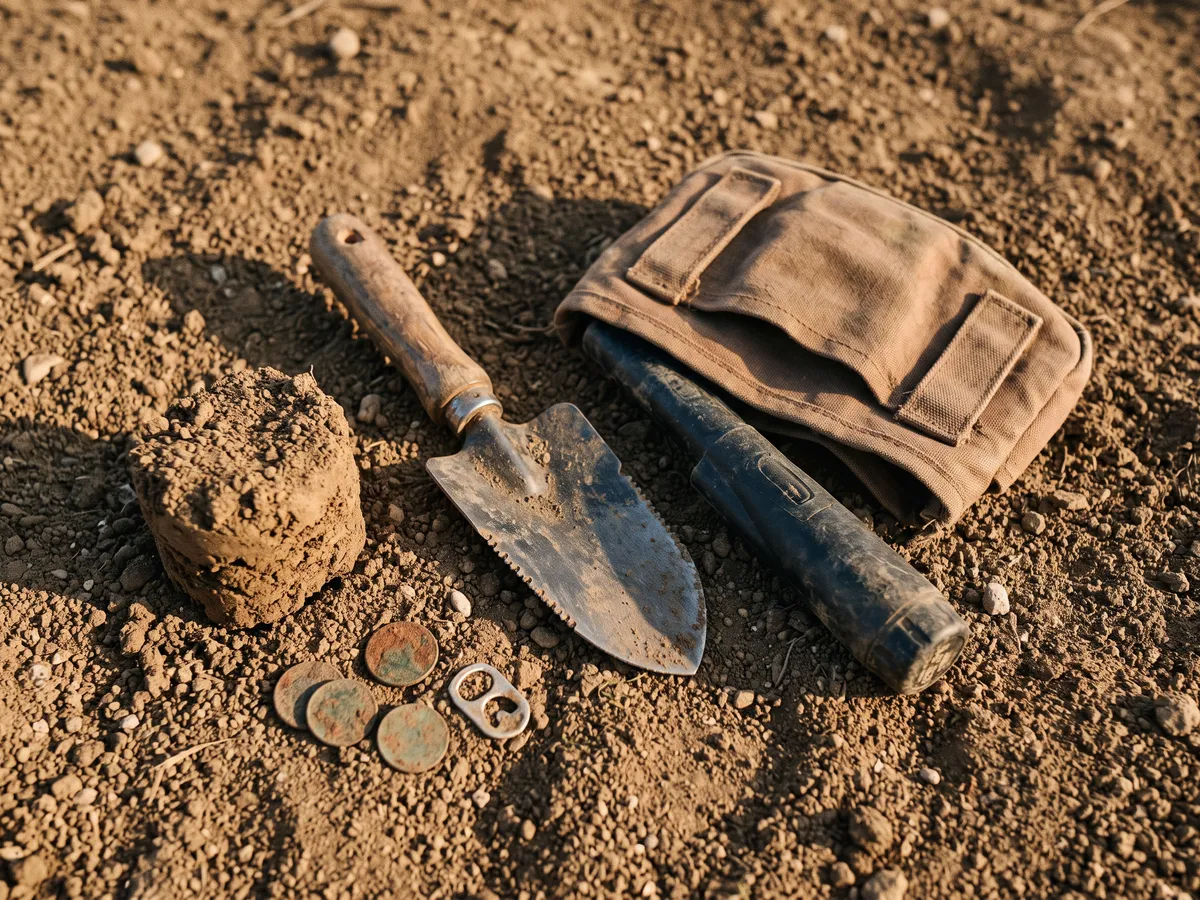
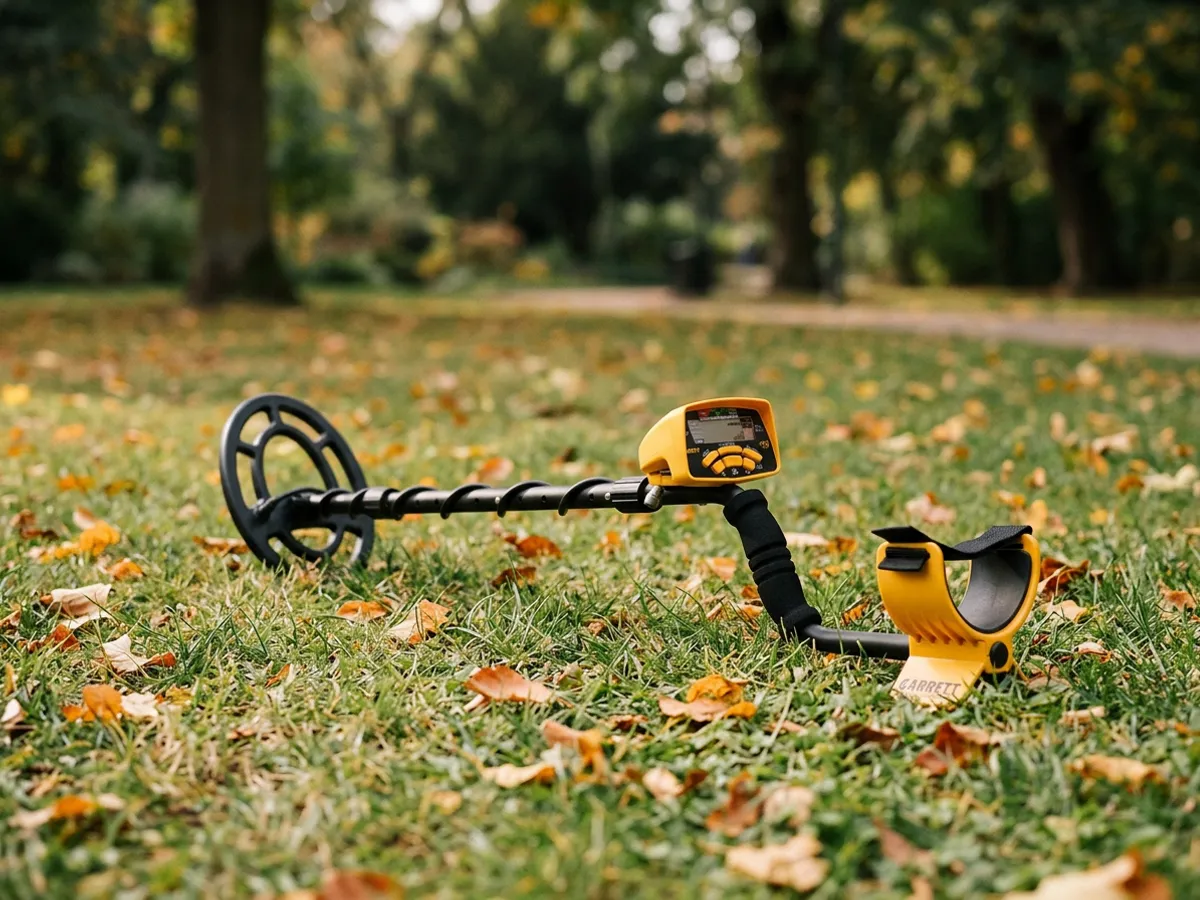
Parks, gardens and recreation grounds. This is where most people start. The main challenge is modern rubbish: ring pulls, foil and bottle caps. A numeric target ID helps you skip it. The Garrett ACE 300 is the classic choice, with a 0–99 ID, Iron Resolution and pinpointing. The ACE 200i is simpler, with three preset modes, but this international version has no pinpoint mode in Garrett's catalogue, unlike the American ACE 200. Like the ACE 400i, it shows coin depth in centimetres. To skip settings entirely, the Minelab Vanquish 340 brings multi-frequency with nothing to adjust.
Our pick · Entry-level
Minelab Vanquish 340
Available on Amazon.com
Availability checked on November 20, 2026. Prices change often: the button below shows today’s price and seller offers.
Affiliate link: we may earn a commission, at no extra cost to you.
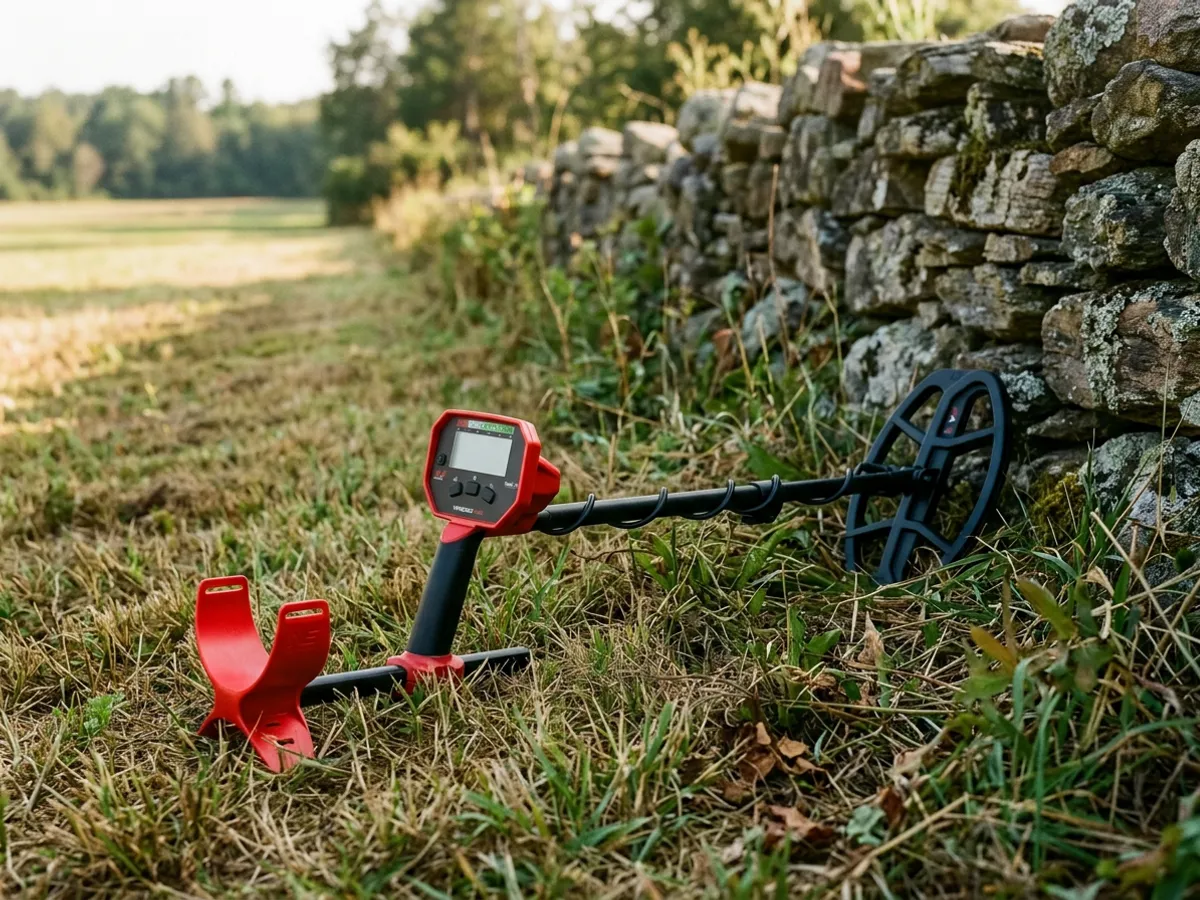
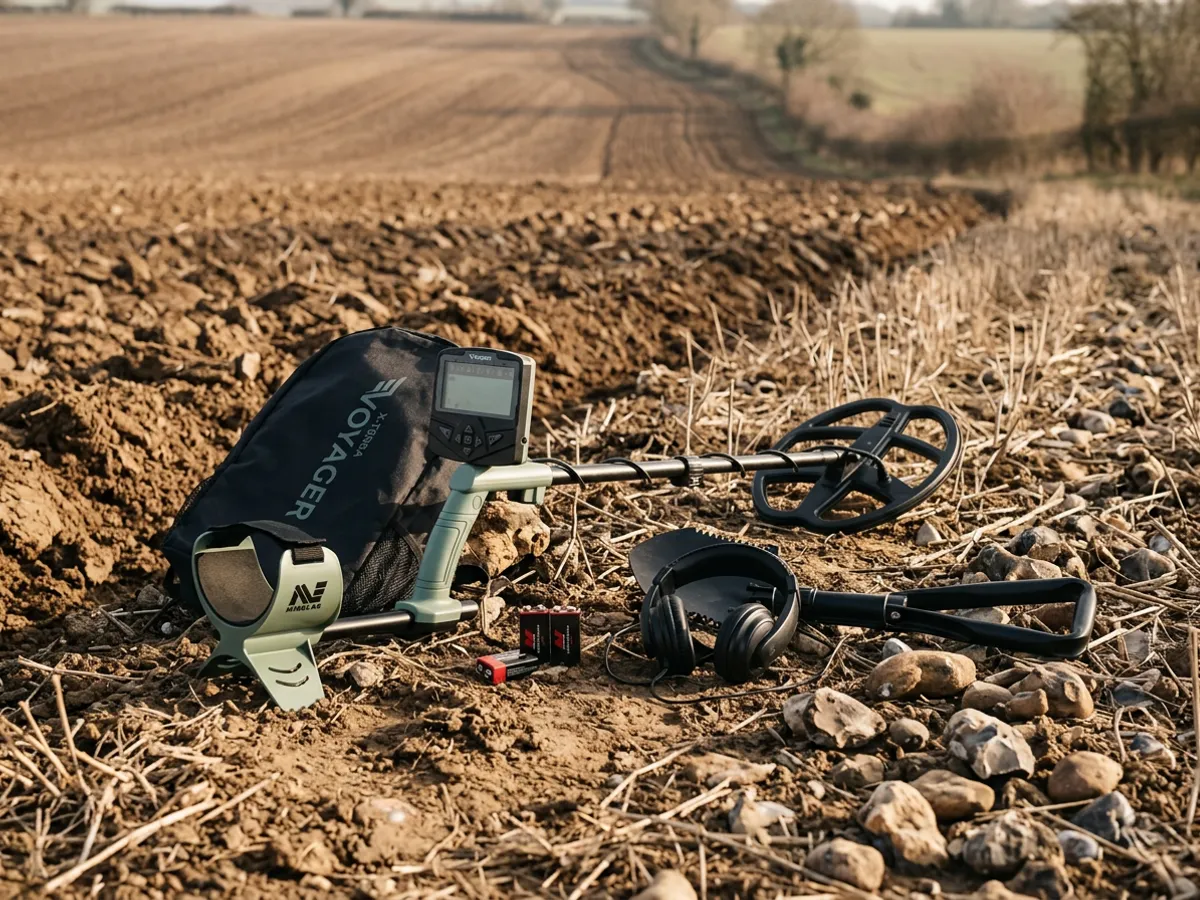
Ploughed fields and old permissions. Farmland soil is often mineralised and full of iron: nails, wire, farm scrap. Ground balance lets the detector ignore the soil itself; iron handling lets you hear or see iron before you dig. The Garrett ACE 400i adds Iron Audio, an adjustable notch and an 8.5 × 11 in Double-D coil; Garrett's quick start guide says it adjusts to ground minerals automatically, with no manual setting. The Nokta Simplex Lite and Ultra offer automatic or manual ground balance. The Minelab X-Terra Pro adds tracking ground balance and a low 5 kHz setting.
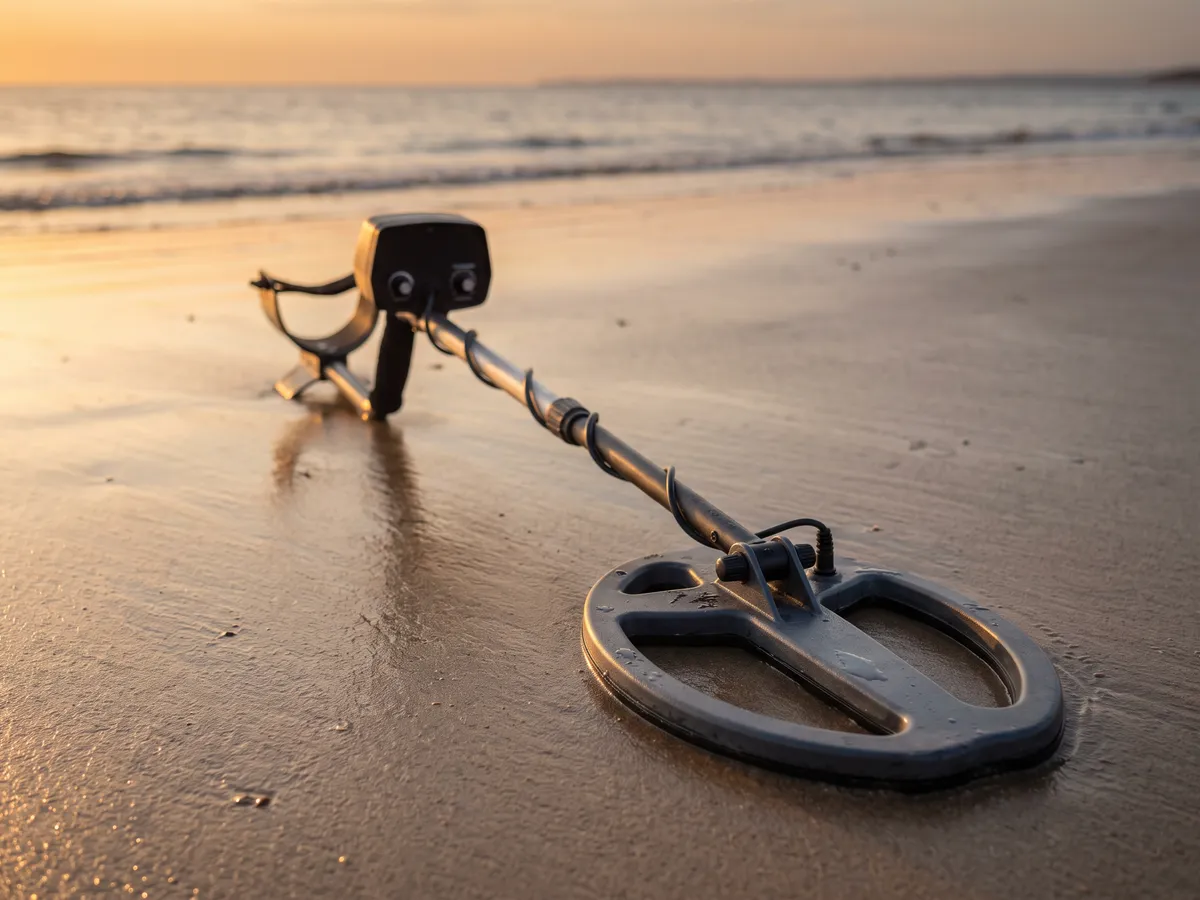
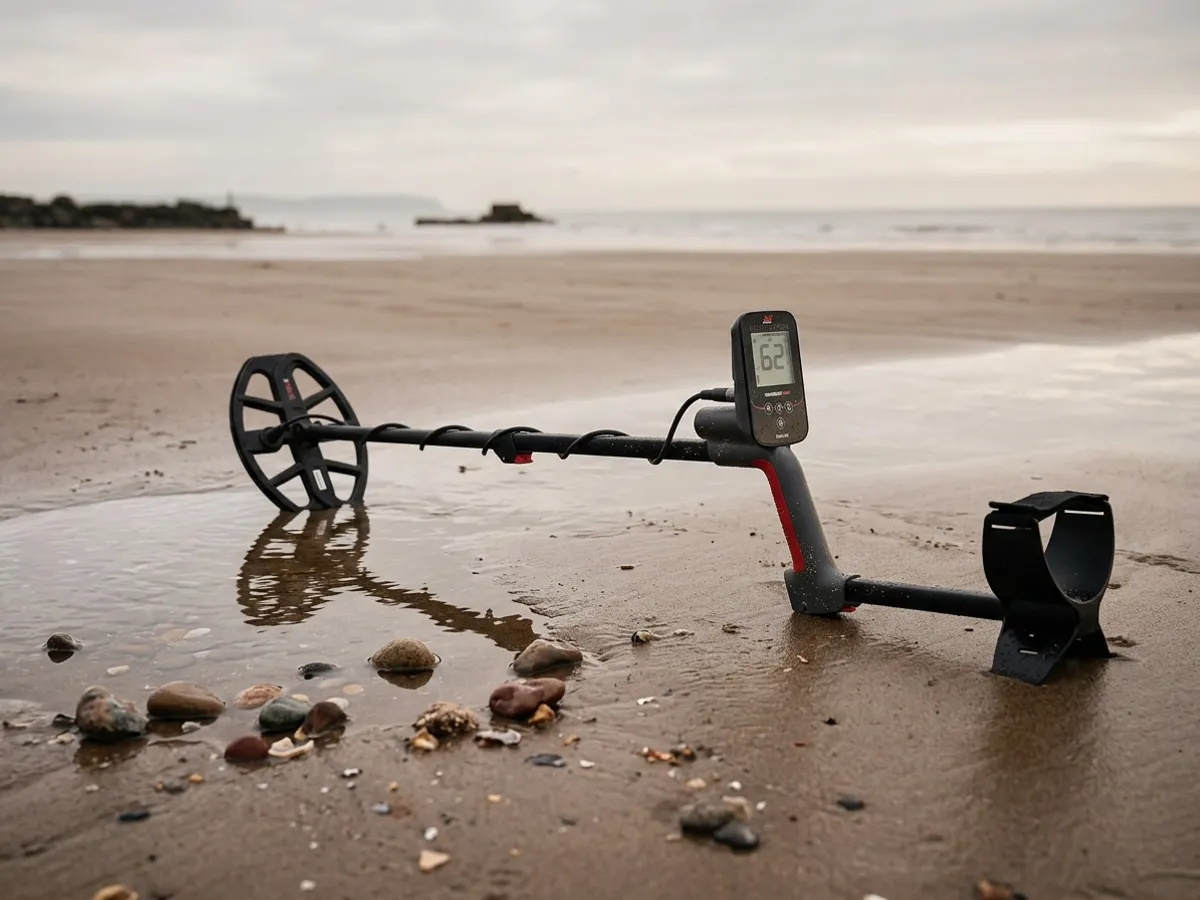
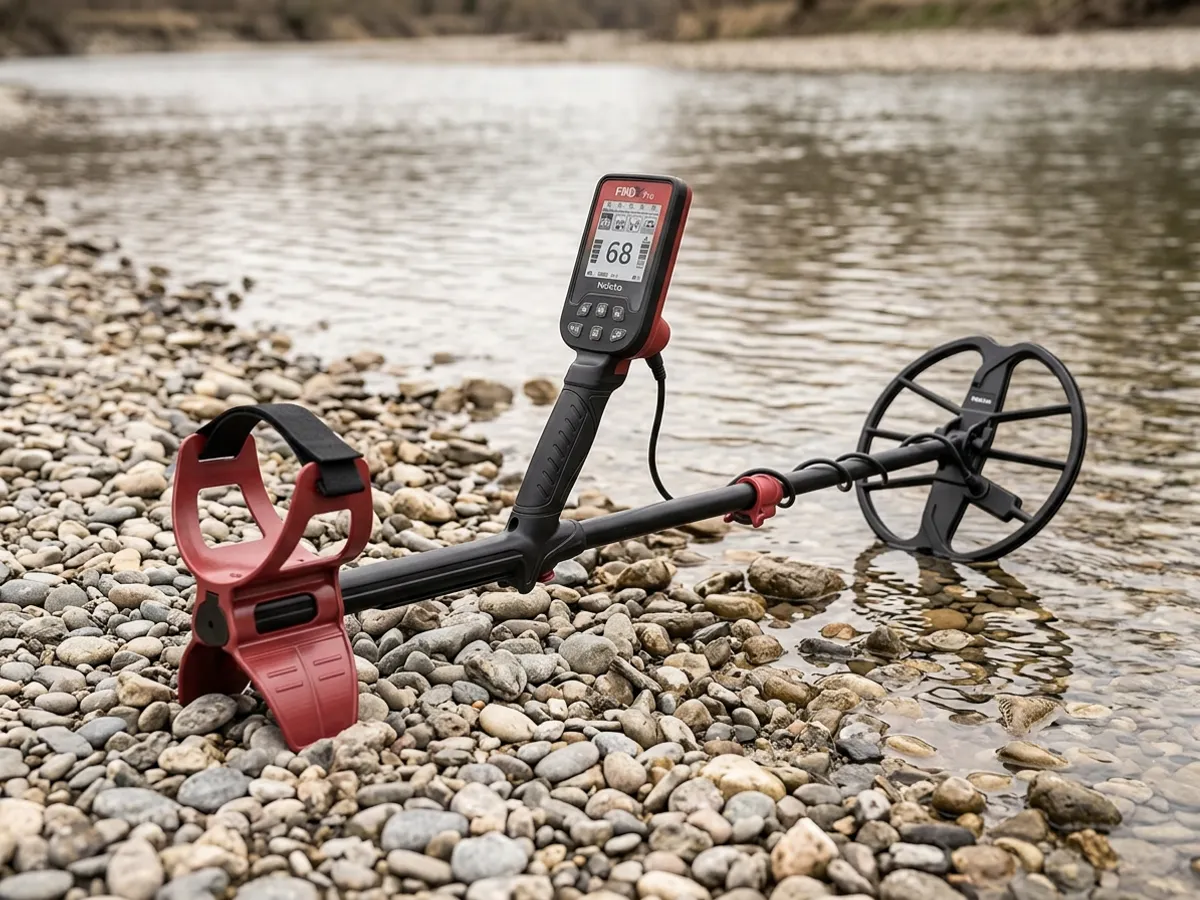
Dry sand and the waterline. Dry sand behaves much like a park. At the wet line, salt water conducts, and single-frequency detectors often chatter or lose depth. For regular beach hunting, the Vanquish 360 combines Multi-IQ, a Beach mode and a fully submersible build. The Nokta FindX Pro is also submersible to 5 m and comes with headphones, a digger and a bag, but runs a single 15 kHz frequency.
Single frequency, selectable frequency or Multi-IQ
Single-frequency VLF. Seven detectors in this aisle transmit on one fixed frequency, from 5.82 kHz (X-Terra Voyager) to 15 kHz (the three Nokta models). As a rule, lower frequencies favour large, highly conductive targets such as silver coins; higher ones suit small targets such as thin gold jewellery. A single frequency is simple and proven, and struggles mostly on wet salt sand. Ignore the "7 kHz" on some Amazon.co.uk Nokta listings: Nokta gives 15 kHz.
Selectable frequency. The X-Terra Pro offers 5, 10 or 15 kHz in its Park and Field modes and 8 kHz on the beach, one at a time: flexibility, not multi-frequency.
Simultaneous multi-frequency (Multi-IQ). The Vanquish 340, 360 and 460 transmit several frequencies at once. Minelab presents Multi-IQ as working across all soils with no frequency or ground balance to set, a manufacturer claim; it does not publish the frequencies used. Owner feedback on the Vanquish 340 is positive on ease of use, but mixed on depth and sensitivity. It mainly removes guesswork, and helps most at the beach. The 460 adds a Field mode, a user profile, Bluetooth LE Audio and wired headphones in the box.
Concentric or Double-D coil?
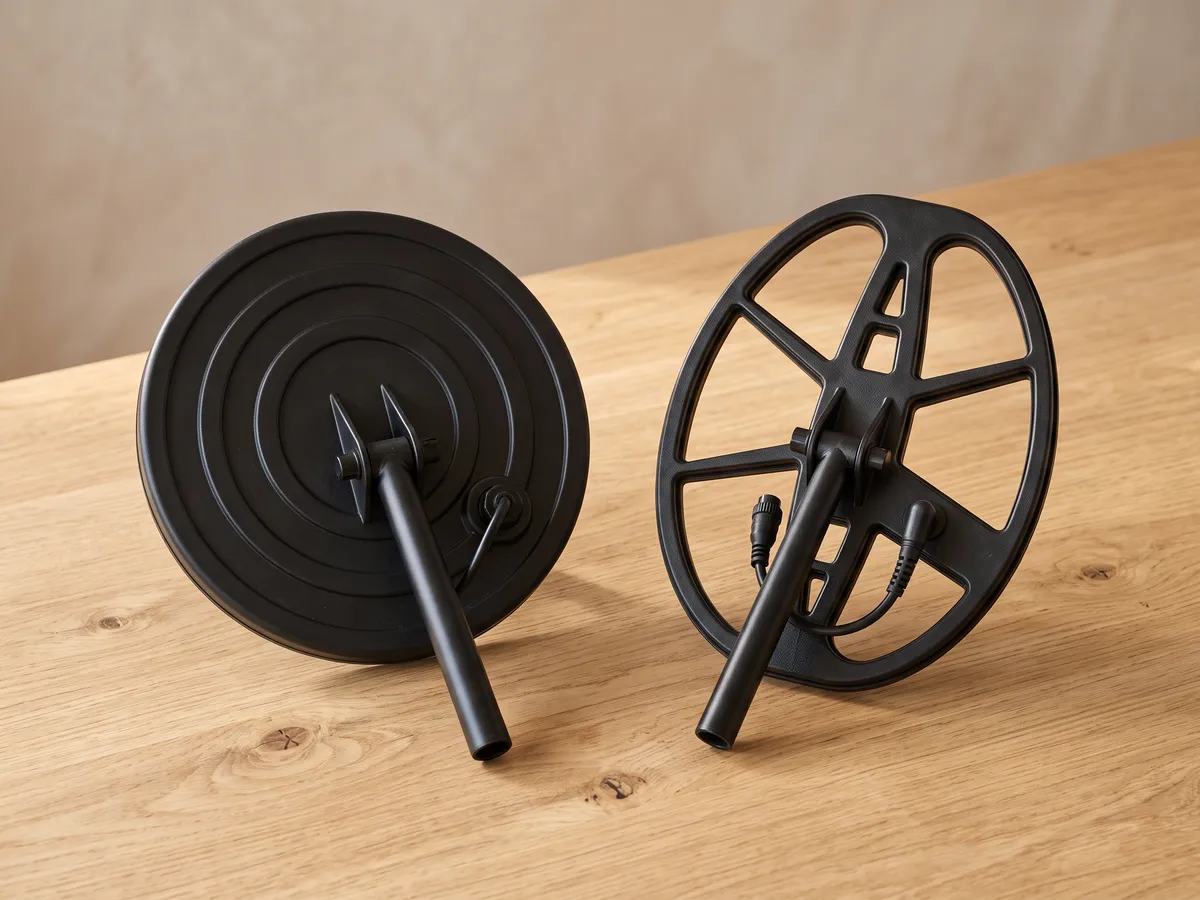
The search coil matters as much as the electronics.
AI-generated illustration
Concentric coils (Garrett ACE 200i and ACE 300) detect in a cone under the centre of the coil. They are generally considered precise for pinpointing and good at separating targets in rubbish-strewn ground.
Double-D coils (all the Minelab and Nokta models, plus the Garrett ACE 400i) detect in a narrower but longer strip across the coil. They are generally preferred on mineralised soil, and they cover more ground per sweep.
Size matters too. The X-Terra Pro's 12 × 9 in coil is the largest here. The ACE 200i's 6.5 × 9 in and the Simplex Lite's 9.5 × 6 in are the smallest: lighter, and easier to work between roots, stones and hedgerow edges.
Waterproof coil or fully submersible?
This is the spec most often misread. Every detector here has a waterproof coil, for wet grass, puddles and the edge of a stream. On five models the control box must stay dry: the three Garretts, whose housings are not waterproof, and the Vanquish 340 and X-Terra Voyager, whose coils are rated to 1 m. Some Amazon.co.uk Garrett listings show IP66 or IP67, but Garrett publishes no IP rating.
Six models are fully submersible to 5 m and rated IP68 by their makers: the Vanquish 360 and 460, the X-Terra Pro, the FindX Pro, the Simplex Lite and the Simplex Ultra (some Amazon.co.uk Nokta listings say IP65; we use Nokta's figure). All six use a built-in rechargeable battery. That suits wading, but you cannot swap in spares on a long day out.
Our pick · Entry-level
Nokta FindX Pro
Available on Amazon.com
Availability checked on November 20, 2026. Prices change often: the button below shows today’s price and seller offers.
Affiliate link: we may earn a commission, at no extra cost to you.
Reading target ID numbers
A target ID is a number shown for each signal, based on how conductive the object is. It helps you decide whether to dig. Scales differ between brands, so a "45" on one machine says nothing about a "45" on another.
Scale
Models
0–99
Garrett ACE 200i, ACE 300, ACE 400i; Nokta FindX Pro
01–99
Nokta Simplex Lite and Simplex Ultra (the Ultra adds a coin and relic scale)
0–99, iron at 0–30
Minelab X-Terra Voyager
−19 to 99, iron below 0
Minelab Vanquish 360, Vanquish 460 and X-Terra Pro
−19 to 40, iron below 0
Minelab Vanquish 340
A finer scale gives more detail between two targets. A coarse scale, like the Vanquish 340's, is easier to read but groups more objects together.
Know the UK rules before you dig
A detector gives you no right to search anywhere. This is general information from official sources, not legal advice: for a given site, ask the landowner and the bodies below.
Permission for every site. The Code of Practice for Responsible Metal Detecting, endorsed by the Portable Antiquities Scheme, Historic England, the National Council for Metal Detecting and the National Farmers Union, starts here: get the landowner's permission before you search, whatever the land. Parks, beaches and foreshore all have an owner, and a tenant farmer may need to agree too. Finds normally belong to the landowner, so the Code advises agreeing in writing, before you start, who will own what you find. It also recommends public liability insurance.
Scheduled monuments and protected land. Under the Ancient Monuments and Archaeological Areas Act 1979, using a metal detector on a scheduled monument without consent is an offence; in England, consent comes from Historic England. Detecting is also not allowed on Sites of Special Scientific Interest or known archaeological sites on Countryside Stewardship land. Boundaries are not always visible, so check the National Heritage List for England, Cadw in Wales, or ask your Finds Liaison Officer. The Code asks you to search only disturbed ground, such as ploughed land, within the depth of ploughing.
Treasure. In England, Wales and Northern Ireland, the Treasure Act 1996 requires anyone who believes a find may be treasure to notify the coroner for the district within 14 days of the find, or of realising what it may be. Failing to report is an offence. In Northern Ireland, finds go to National Museums NI or the Historic Environment Division. Scotland has its own system, Treasure Trove: finds are reported to the Treasure Trove Unit.
Recording your finds. In England and Wales, the Portable Antiquities Scheme records finds through its Finds Liaison Officers. The Code asks you to tell the landowner you wish to record finds, and to note each findspot to an 8-figure National Grid Reference. Human remains mean a call to the police; possible live ordnance means the police or HM Coastguard.
Beaches and foreshore. The Crown Estate allows detecting without formal consent on the foreshore it owns, between mean high and mean low water, subject to its terms and conditions and any third-party rights. That excludes the seabed, riverbeds and foreshore owned by others; its online map shows which stretches are Crown Estate. The Thames foreshore needs a permit from the Port of London Authority. The beach above high water has its own owner: ask them, and ask about local byelaws, before you go. In Scotland, Crown Estate Scotland requires no permit for access to its foreshore. Finds above low water generally belong to the landowner unless they are treasure; wreck goes to the Receiver of Wreck.
AI-generated illustration
Frequently asked questions
For parks, fields and the odd beach, the Minelab Vanquish 340 is the simplest start: multi-frequency with nothing to set. For a finer 0–99 target ID and pinpointing, the Garrett ACE 300 is quick to learn. For wet sand or streams, the fully submersible Vanquish 360 or the Nokta FindX Pro kit makes more sense.