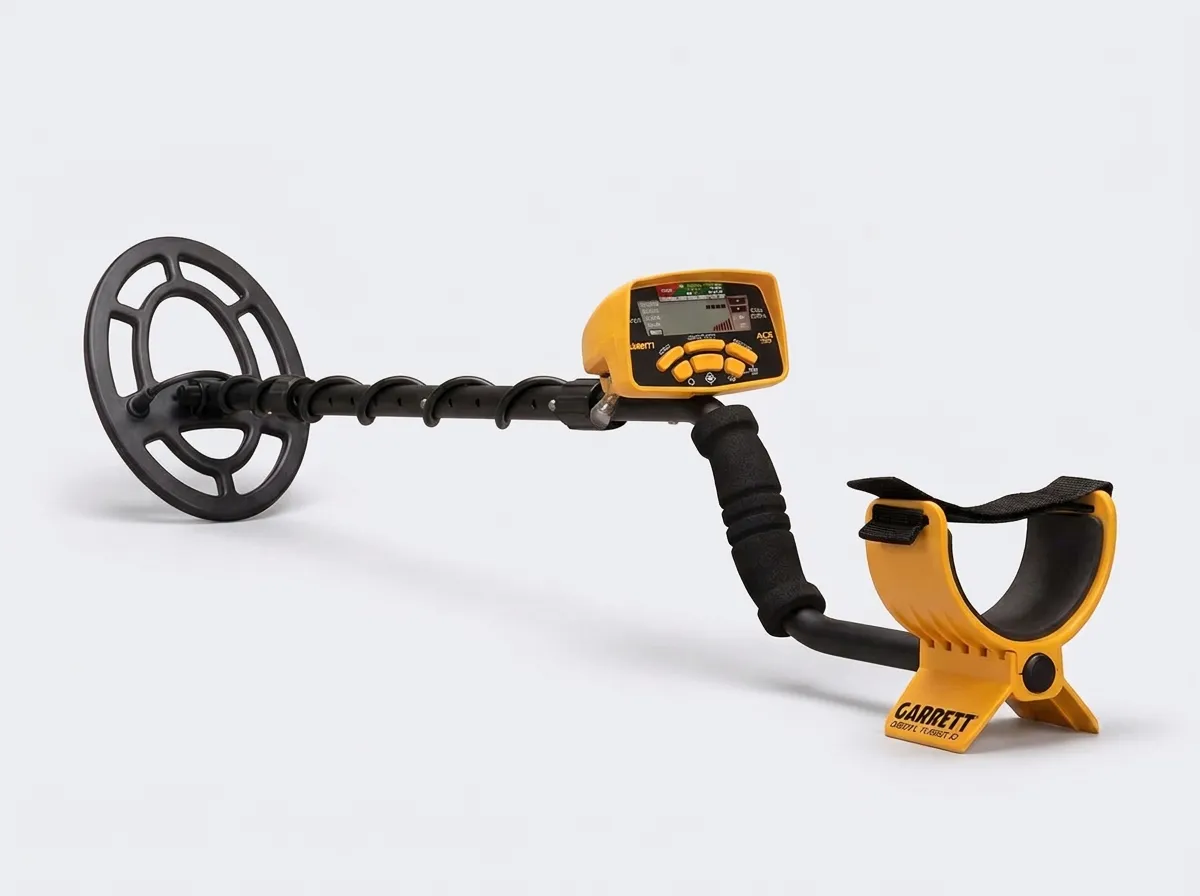
This Garrett ACE 300 review is for UK beginners choosing a first metal detector for parks, gardens, pasture and the dry end of the beach. On paper, it is the clearest learning tool in our UK metal detector comparison: an 8 kHz single-frequency circuit, a 0–99 numeric target ID, Iron Resolution and electronic pinpointing, in a detector of about 1.3 kg. Its limits are just as plain: one frequency, no manual ground balance and a control box that must stay dry.
Garrett ACE 300
Availability checked on November 20, 2026. Prices change often: the button below shows today’s price and seller offers.
The short version
The ACE 300 is a mid-range detector that gives a beginner readable information without a page of settings. Five modes, eight sensitivity levels, pinpoint and frequency adjust cover what most people need on a park or a grass field. Owner feedback mostly praises how quickly people get going and how light it feels on the arm. On the other hand, wet salt sand and iron-strewn ploughed fields are harder going than with a multi-frequency or Double-D model, and only the coil can get wet.
Best for: beginners who want numeric target IDs and room to learn discrimination on parks, gardens, pasture and dry beach sand.
Not for: regular wet-sand hunting, wading, or permissions so full of iron that you want audio help to sort it.
Specifications
| Feature | Garrett ACE 300 |
|---|---|
| Technology | Single frequency (VLF), 8 kHz, with frequency adjust |
| Search coil | 7 × 10 in (18 × 25 cm) concentric PROformance, waterproof |
| Target ID | 0–99 numeric, 3 audio tones, depth indicator |
| Search modes | 5 (Zero, Jewellery, Custom, Relics, Coins) plus pinpoint |
| Sensitivity | 8 levels |
| Iron handling | Iron Resolution, 4 iron segments, adjustable notch |
| Ground balance | No user control; none listed on garrett.com |
| Waterproofing | Coil only (Garrett publishes no IP rating) |
| Weight | 1.3 kg (1.27 kg according to Garrett) |
| Length | 1.06–1.29 m |
| Power | 4 × AA, included; about 25 hours according to the Amazon.co.uk listing |
| In the box | Coil cover (Garrett); the Amazon.co.uk listing adds headphones and a control box cover |
| Warranty | 3-year limited, parts and labour |
| Made in | USA |
What its strengths are worth
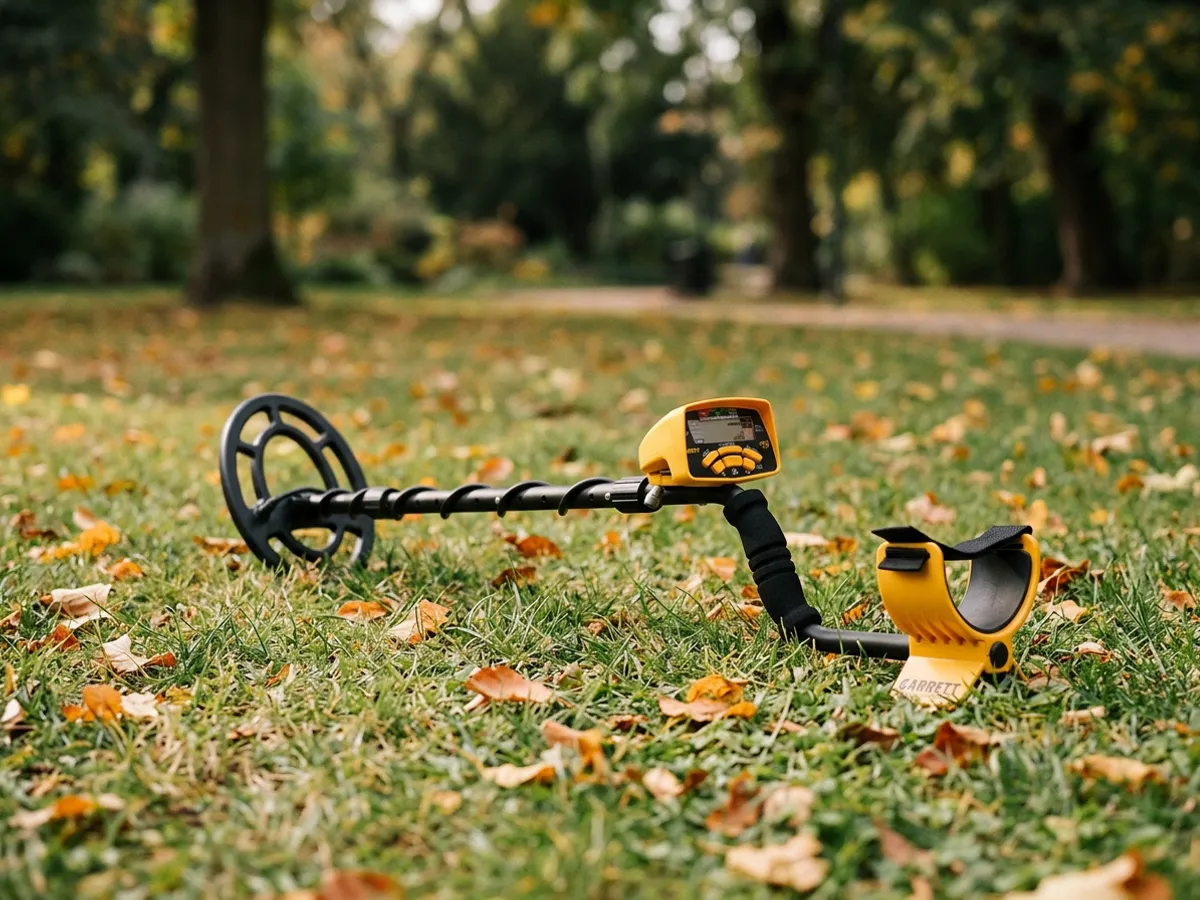
A target ID you can learn. Every signal gets a number from 0 to 99 and one of three tones. That number is the main reason to choose the ACE 300 over a simpler machine. Over a few outings you build your own reference: the readings that turned out to be ring pulls, the ones that were coins, the ones that were nails.
Modes that match common UK hunts. The owner's manual describes five modes. Zero accepts every metal and helps when a signal is inconsistent. Jewellery looks for rings and chains while ignoring most iron. Relics drops small iron but keeps lower-conductivity targets such as lead, brass and bronze, which suits old pasture. Coins rejects iron, foil and ring pulls, though the manual warns that medium-sized jewellery can be missed in that mode. Custom keeps your own discrimination pattern after the detector is switched off. A sensible ladder: start in Coins on the local park, then build a Custom pattern once you know your ground.
Iron Resolution. Garrett splits the iron range into four segments, so you can reject small iron without throwing out everything at the bottom of the scale. That helps on British farmland, where old nails and wire are everywhere. The manual's advice is practical: use just enough discrimination to drop the iron, so a nail does not mask a coin lying next to it.
Electronic pinpointing. Hold the button and sweep in a cross pattern, and the detector narrows down the strongest signal while the screen shows an estimated depth for a coin-sized target. Smaller plugs in the turf follow, which landowners notice. Many detectorists still add a handheld pinpointer.
Frequency adjust. Four small frequency offsets reduce interference from power lines or from another detector nearby. That helps at club digs and rallies.
Coil and weight. The 7 × 10 in concentric coil covers more ground per swing than a small round coil, and its narrow detection centre helps with pinpointing. At about 1.3 kg, with a shaft that adjusts from 1.06 to 1.29 m, the detector stays comfortable through a long afternoon.
Ground balance: what the sources say. Garrett's product page lists no ground balance specification, and there is no ground balance control for the user. According to the owner's manual, the detector adjusts for ground minerals automatically. That rarely matters on park soil; on heavily mineralised ground or wet salt sand, manual ground balance or multi-frequency gives you more tools.
What owners say
Our owner-feedback notes come mainly from the ACE 300's widely reviewed US Amazon listing, plus the highlighted Amazon.co.uk review. Ease of learning and setup is the most frequent praise, ahead of everything else. Light weight and comfort come up often, as does the fun of detecting with family and children. Accuracy and value for money are also rated positively.
Negative comments are rare in the visible feedback. One owner reports a defective part at assembly, and another finds the readings on iron and rubbish less reliable than expected. The highlighted UK review praises the kit and the comfort, but notes that a digger and a pinpointer must be bought separately.
Where it works best in the UK
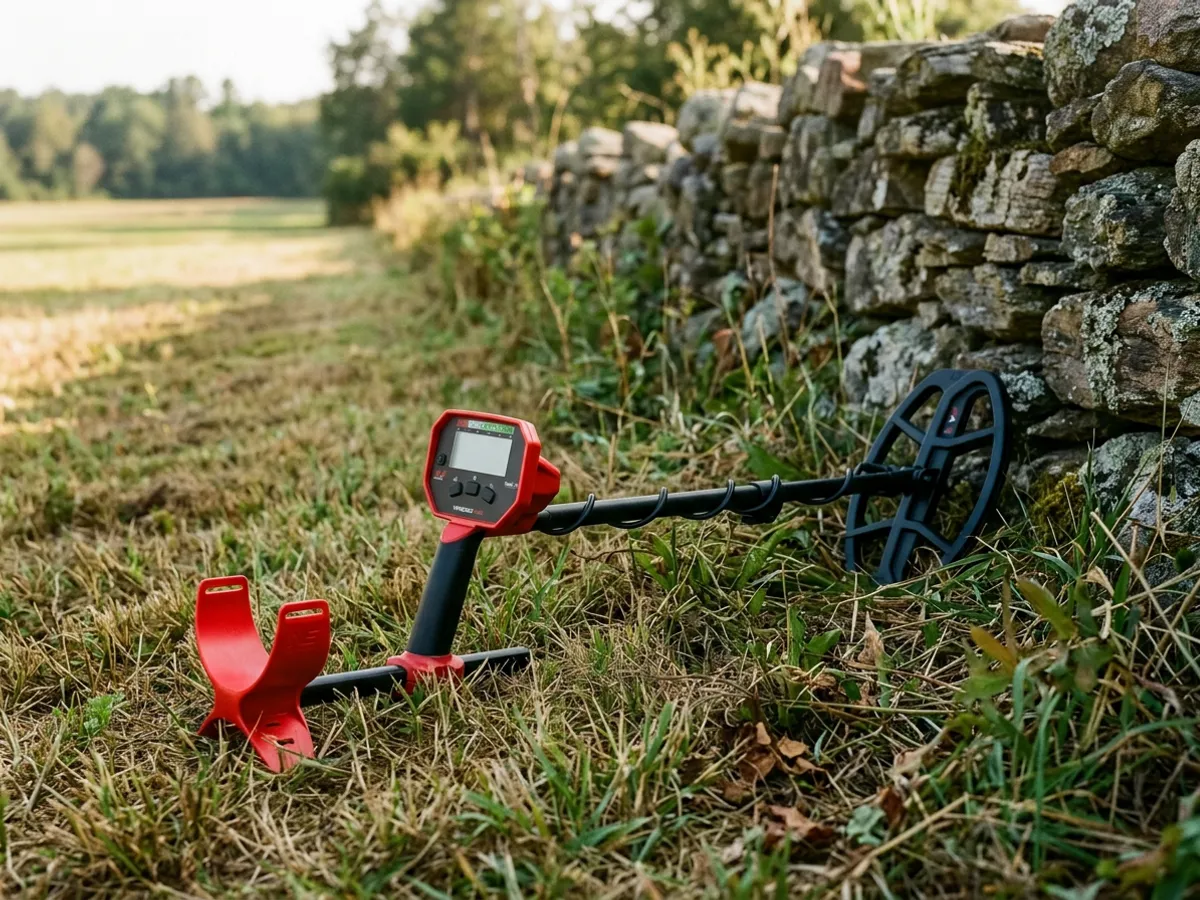
Parks, recreation grounds and gardens. This is home ground. Coins mode, the numeric ID and the pinpoint deal with the ring pulls, foil and bottle caps that litter most parks, and frequency adjust helps near power lines. Parks have an owner too, usually the council: ask first.
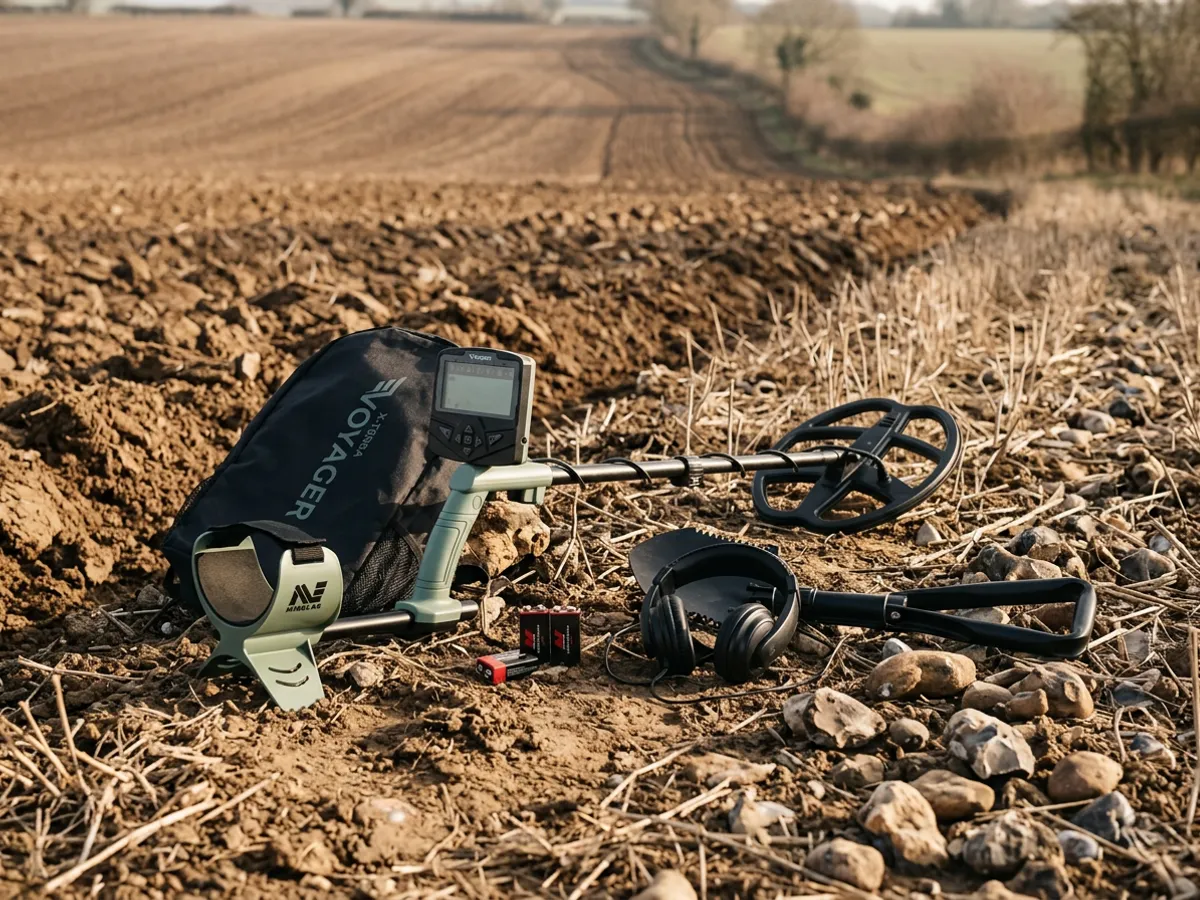
Pasture and ploughed fields. Pasture and lightly littered fields suit the ACE 300. Old permissions full of nails and farm scrap are harder for any single-frequency concentric-coil machine. Garrett's ACE 400i adds a 10 kHz frequency, an 8.5 × 11 in Double-D coil and Iron Audio for that job; our Garrett metal detector comparison sets the three ACE models side by side.
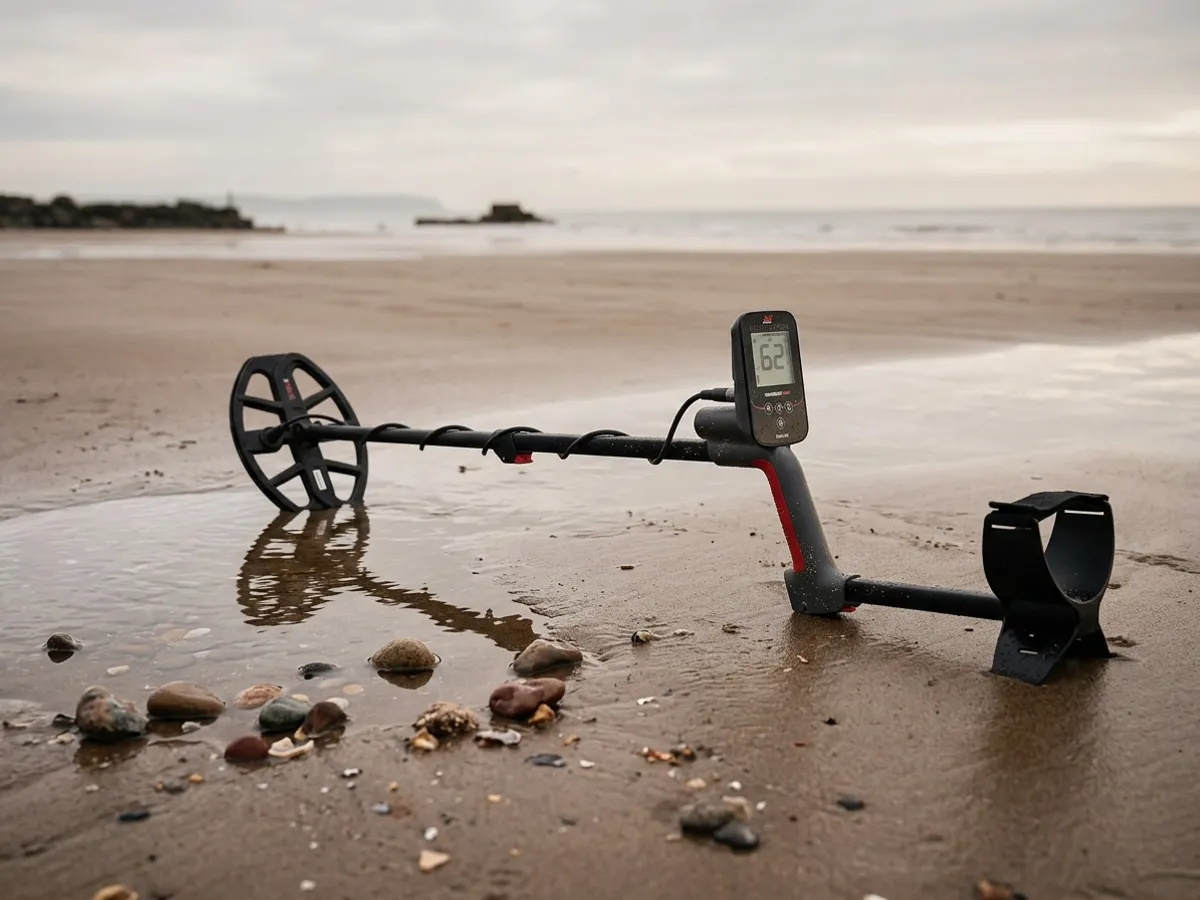
Beaches. Dry sand is fine. Wet salt sand at low tide is conductive and tends to make single-frequency detectors noisy. The coil is waterproof, but the manual asks you to protect the control housing from heavy mist, rain and blowing surf, a tall order on many British beaches. For regular beach hunting, a multi-frequency or fully submersible model fits better.
Wherever you search, you need the landowner's permission, and possible treasure must be reported. Our UK buying guide summarises the Treasure Act and the Portable Antiquities Scheme; it is not legal advice.
Alternatives
- Minelab Vanquish 340: simultaneous multi-frequency with nothing to set, better suited to mixed soil and wet sand, but with a coarser −19 to 40 target ID and no pinpoint mode in Minelab's spec sheet.
- Nokta FindX Pro: fully submersible to 5 m, with headphones, a digger and a bag in the box, for beaches and streams. It runs a single 15 kHz frequency and carries a 2-year warranty.
- Garrett ACE 400i: the same family with a larger Double-D coil, Iron Audio and headphones in the international pack, for iron-heavy farmland.
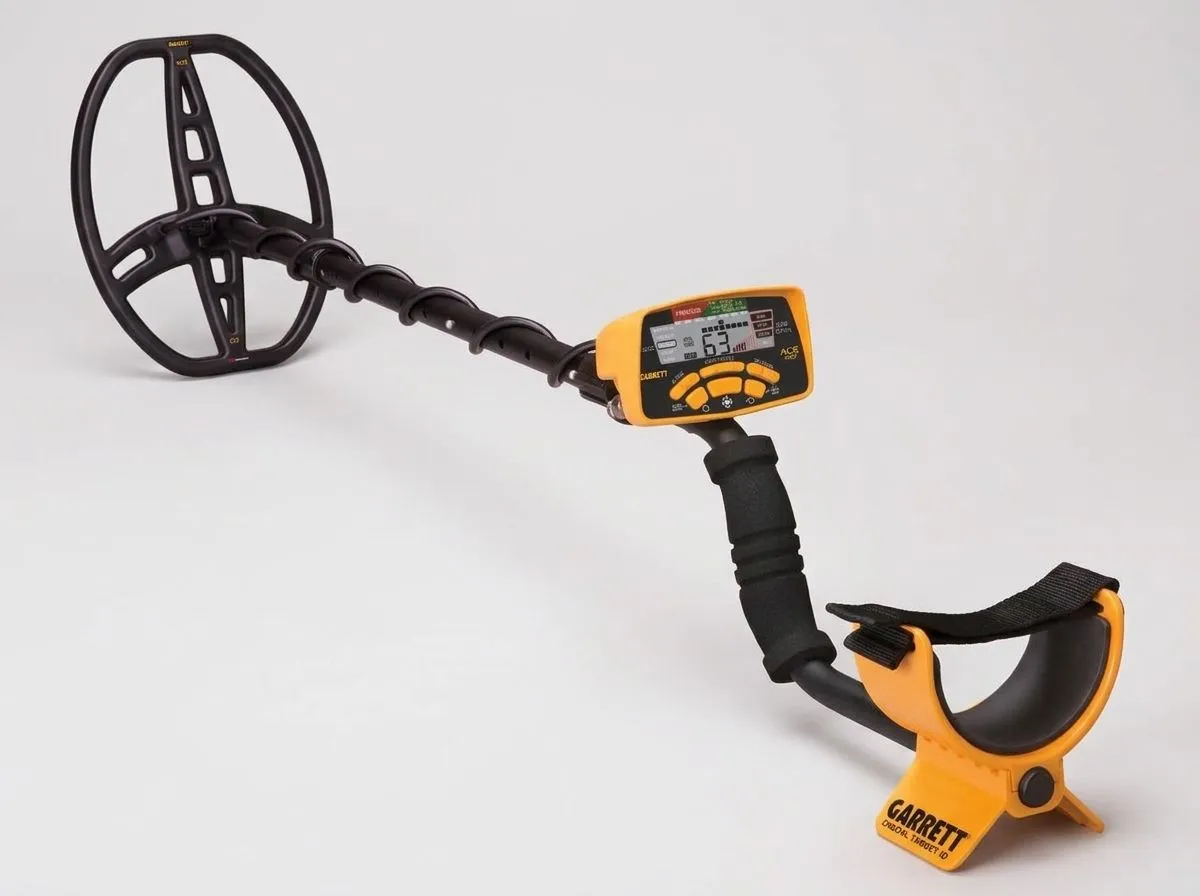
Garrett ACE 400i
Availability checked on November 20, 2026. Prices change often: the button below shows today’s price and seller offers.
For more choice, see our Minelab page and the best metal detector UK comparison.
Frequently asked questions
Garrett does not publish a depth figure for the ACE 300. Depth depends on the size of the target, the soil, the mode and the sensitivity setting. The depth indicator gives an estimate for coin-sized targets, which helps you decide how deep to cut a plug.
Garrett ACE 300
Availability checked on November 20, 2026. Prices change often: the button below shows today’s price and seller offers.

Our reviews are research summaries built from manufacturer documentation, published specs and owner feedback. We have not tested this product ourselves.
- Garrett ACE 300 product page (garrett.com)
- Garrett ACE 300 owner's manual (mode, pinpoint and care notes, from our US research)
- Amazon.co.uk product listing (B07BR1L7SR)
- Summary of owner feedback on Amazon.com and the highlighted Amazon.co.uk review